WRX BaseAdd Build
Mods
Guides
Builds
Community
Planner
Add Your Build
Sign inSign up

WRX Base © 2026

AboutContactTikTokEditorial PolicyCorrectionsPrivacy PolicyUser Agreement

Tracked prices are not retailer-controlled.

This website provides informational content only. Automotive modifications may affect vehicle safety, reliability, emissions compliance, and warranty status. Always consult a qualified professional before modifying your vehicle.

WRX Base is an independent community resource and is not affiliated with, endorsed by, or sponsored by Subaru.

  1. WRX Base
  2. ›
  3. Decide
  4. ›
  5. WRX Reliability Guide
reliability

WRX Reliability Guide

The FA24 is a solid engine. Most VB reliability problems are decisions, not defects.

Updated Aug 20, 2026·9 min read·Reviewed by WRX Base Editorial·11 related mods

Verdict

Stay inside the drivetrain's torque limits, shorten your oil intervals when tuned, keep plugs fresh, and never run airflow hardware on a tune that does not know about it. Do those four things and the VB is a dependable car.

The limits that define the platform

Almost every serious VB reliability conversation comes back to three numbers, and knowing them prevents most problems. The stock turbo is comfortable into the low 300s at the wheels on ethanol. Past that it falls away, and pushing it harder produces heat and diminishing returns rather than power. The stock transmission is the binding constraint. Tuners generally hold torque near 350 lb-ft to keep the factory gearbox healthy, and a Stage 2 ethanol car already sits at roughly 348 lb-ft. This is the limit people hit without realising, because it is expressed in torque while everyone talks in horsepower. The stock short block is good to around 400whp, with real caution beyond 400 to 450. The connecting rods are the accepted weak link, and they are meaningfully stronger than the FA20's in the older VA. Read those together and the picture is clear: the engine is not your first limit. A 300whp ethanol build sits inside all three, which is exactly why it is the sensible stopping point on this car. Everything above it consumes margin somewhere, and the component that runs out first is the gearbox rather than the thing making the power.

Source

A documented FA24 dyno ladder measured Stage 2 on E85 at 320.0 whp and 348.4 lb-ft, with roughly 350 lb-ft cited as the figure to stay near for stock transmission health. That is the same car and the same pull - the power number still has headroom while the torque number does not.

What to do next

Compare these mods

Browse reliability mods with pricing and compatibility notes.

See builds running this setup

Community-verified builds you can reference.

Add to planner

Sequence and budget this alongside your other mods.

Related Questions

Community FAQ

reliability

How much power can the stock FA24 engine handle?

The short block is generally considered safe to around 400whp, with real caution beyond 400 to 450. But you will hit the stock turbo around the low 300s and the stock transmission's torque limit well before the engine becomes the problem.

Read answer →

reliability

Does a tuned or modified WRX need more frequent maintenance?

Yes, but less dramatically than people fear. Shorter oil intervals, plugs treated as a wear item, and actually monitoring the car. Nothing exotic, just more attentive.

Read answer →

reliability

How often should I change the oil in a stock or tuned 2022+ WRX?

Subaru's guidance is around 6,000 miles or 6 months. Stock and gently driven, follow it. Tuned, tracked, or driven hard, halve it - roughly 3,000 miles is the sensible interval.

Read answer →

tuning

What do DAM, Feedback Knock, and Fine Knock Learn mean on a WRX Accessport?

Continue reading

Related Guides

tuning

How to Build a 300whp 2022+ WRX

The full parts list, the real cost, and the honest reliability math on a stock turbo.

Read guide →

tuning

Best Mods Before a WRX Tune

What genuinely needs to be on the car before a tuner touches it - and what does not.

Read guide →

reliability

WRX Warranty and Mods Guide

What VB mods are low-risk, what puts powertrain claims in danger, and where owners should draw the line.

Read guide →
Last updated Aug 20, 2026 · Reviewed by WRX Base Editorial · See a mistake? File a correction →

View source

The four things that actually matter

**Do not run airflow hardware on a tune that does not know about it.** This is the one that damages engines rather than merely wearing them. An intake with an oversized MAF housing on the stock tune has been shown to lean the FA24 toward 12:1 at the top of the rev range, and lean under boost is the condition that melts pistons. Parts and tune go on together, in the same window. **Shorten oil intervals once tuned.** Subaru's guidance is around 6,000 miles or 6 months. A tuned car makes more heat, more cylinder pressure and more shear, and roughly 3,000 miles is where most tuned VB owners land. Oil is the cheapest component in the engine. **Treat spark plugs as a wear item.** Higher cylinder pressure makes a marginal plug misfire under load, and on a tuned car that misfire looks like knock in a datalog and can genuinely cause damage. Replace them sooner than the factory interval suggests, and always before a tuning session on a car with miles on it. **Warm the oil before using boost.** Coolant comes up quickly and the dashboard gauge will look normal long before the oil is ready. Oil around 180F is the practical threshold. Cold oil under boost is preventable wear that costs nothing to avoid. Those four cover the large majority of avoidable VB engine trouble. None of them are expensive and none of them are complicated.

Which mods add risk and which do not

Modifications sort cleanly into three groups, and treating them as one category is what makes people either needlessly anxious or carelessly bold. **Genuinely neutral.** Exhaust behind the catalyst, suspension, wheels, tires, brakes, shifter parts, cosmetics. None of these change what the engine does or what the ECU measures. They carry no engine reliability implication whatsoever. **Neutral if done correctly, risky if not.** Intakes, J-pipes, fuel system changes and anything that alters airflow or fueling. Fitted with the matching tune these are fine and well understood. Fitted without it, they range from pointless to dangerous. The risk here is entirely about sequencing rather than the parts themselves. **Inherently consuming margin.** Power levels past the drivetrain's design range. A big turbo build making meaningfully more than 350 lb-ft is not unreliable in the sense of being poorly engineered - it is spending gearbox life deliberately. That is a legitimate choice made knowingly and a bad surprise made accidentally. The useful implication: a heavily modified VB is not automatically less reliable than a stock one. A car with suspension, brakes, tires, exhaust and a well-executed Stage 1 tune is essentially as dependable as stock. A car with an intake fitted on a stock tune is less reliable despite being far less modified.

Reliability-relevant parts

Quick decision

What is your reliability priority?

Long-term ownership items

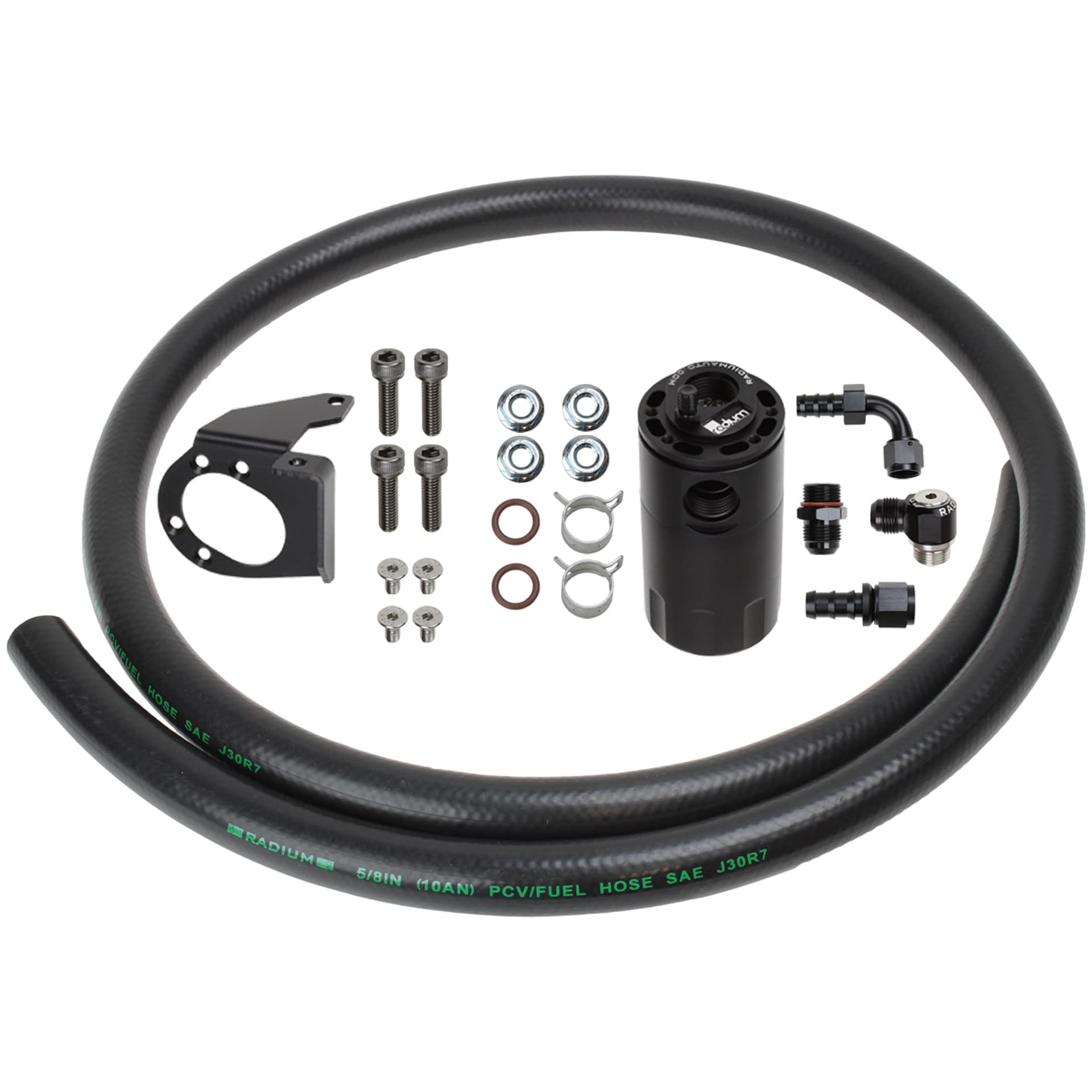
A few things matter more the longer you intend to keep the car. The FA24 is direct injected, which means no fuel washes the back of the intake valves. Oil vapour from the PCV system lands there and bakes into carbon deposits over tens of thousands of miles. Subaru's PCV control on this engine is better than the older EJ units, so the VB is not a worst case, but the mechanism exists. A baffled catch can at roughly $210 to $280 intercepts the blow-by before it reaches the intake and is reasonable insurance if you plan to pass 100,000 miles. It is maintenance rather than a fit-and-forget part - it needs emptying, more often in cold weather. An oil cooler matters if your driving generates sustained heat. Street driving keeps the FA24 around 200 to 230F; track sessions push 230 to 260F. If your own numbers sit high repeatedly, a cooler with a proper thermostat is justified. If they do not, it is solving a problem you do not have and can leave the oil too cool in winter. And salt. If you drive through salted winters, wash the underside regularly rather than just the paint. Corrosion is what turns a mechanically sound young car into a tired one, and it happens where you do not look.

Tip

Monitoring is the difference between owners who keep their engines and owners who do not. A stock car tolerates being ignored; a tuned one gives you warning signs and expects you to read them. Knowing what your knock monitors and oil temperature normally look like means you notice when they change - which is the entire point.

The verdict

The VB is a dependable car and the FA24 is a strong engine. The platform's reputation for fragility comes mostly from cars that were pushed past the drivetrain's limits or modified out of order, not from inherent defects. Stay near 350 lb-ft and every component is operating inside its design brief. Halve your oil interval when tuned. Keep plugs fresh. Never bolt on airflow hardware without the tune to match it. Warm the oil before you use boost. That is genuinely the whole list, and none of it is expensive or difficult. The cars that give people trouble are almost always the ones where an owner arrived at big power incrementally without ever deciding to, or fitted a part in March intending to tune it in July. Decide where you are stopping, sequence your parts properly, and the VB will be an unremarkable car to own - which, for a turbocharged all-wheel drive performance car, is high praise.

Pre-purchase checks for this mod

  • 1Keep torque near 350 lb-ft to stay inside the stock gearbox's comfort zone
  • 2Halve the oil interval once the car is tuned
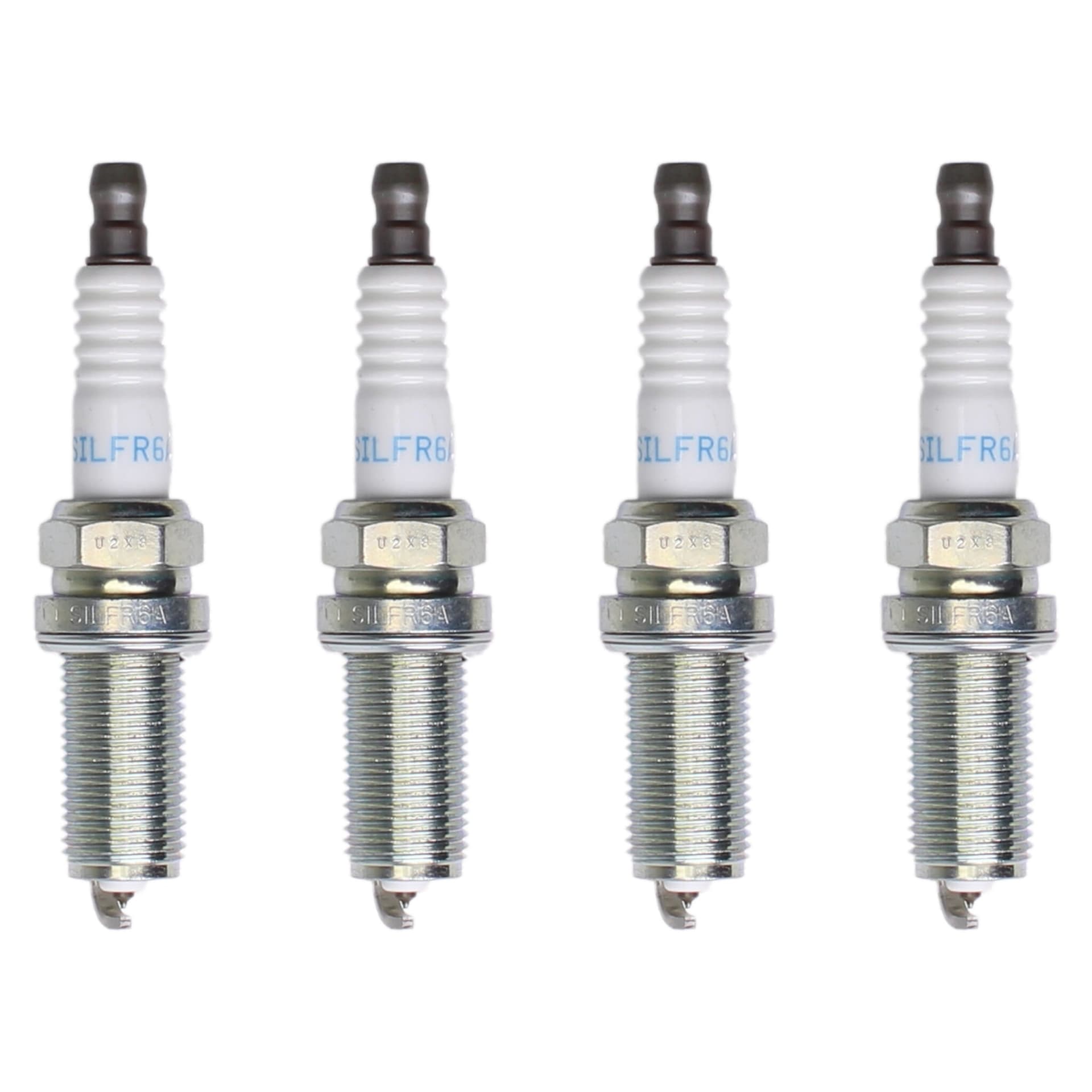
  • 3Treat spark plugs as a wear item, not a service item
  • 4Never install airflow hardware without the matching tune
  • 5Warm the oil, not just the coolant, before using boost
  • 6Watch knock behaviour and oil temperature rather than assuming
  • 7Fix mechanical faults before tuning around them

Jump To

The limits that define the platformThe four things that actually matterWhich mods add risk and which do notReliability-relevant partsLong-term ownership itemsThe verdict

They are the three ways the ECU responds to knock. On a direct-injection car like the VB, a DAM drop is not automatically a problem - the DIT strategy is deliberately reactive, and you have to read all three monitors together.

Read answer →

tuning

Is ATLAS safe for a daily-driven 2022+ WRX?

Yes. The software is not the risk - what you write with it is. A sensible map flashed with proper preparation is as safe on a daily driver as any other tuning route.

Read answer →

Community FAQ

Does a tuned or modified WRX need more frequent maintenance?

Yes, but less dramatically than people fear. Shorter oil intervals, plugs treated as a wear item, and actually monitoring the car. Nothing exotic, just more attentive.

Read answer →
NGK (SILKFR8A6) Laser Iridium Spark Plugs WRX (Qty 4) | 96698
Cheapest reliability insurance

NGK (SILKFR8A6) Laser Iridium Spark Plugs WRX (Qty 4) | 96698

NGK

$71

See mod →

FeatureNGK NGK (SILKFR8A6) Laser Iridium Spark Plugs WRX (Qty 4)AMS Performance Top Mount Intercooler WRX 2022+Radium Engineering CCV Catch Can Kit Fluid Lock WRX 22-26Perrin Oil Cooler Kit Tuner Kit w/o Lines WRX
Price range$71$750$209$463
Requires tune?NoNoNoNo
Daily-friendlyYes - wear itemYes - heat protectionYes - needs emptyingTrack and hot climates
NGK (SILKFR8A6) Laser Iridium Spark Plugs WRX (Qty 4) | 96698
Cheapest reliability insurance

NGK

NGK (SILKFR8A6) Laser Iridium Spark Plugs WRX (Qty 4) | 96698

Last tracked price

$70.83

last checked Sep 30

View at Import Image RacingSee full mod page →
COBB Accessport
Monitoring beats guessing

COBB

COBB Accessport

Tracked current price

$770.00

checked Oct 10

Used in 5 builds

View at MAPerformanceSee full mod page →
Radium Engineering CCV Catch Can Kit Fluid Lock WRX 22-26 | 20-0755-FL
Long-term ownership item

Radium Engineering

Radium Engineering CCV Catch Can Kit Fluid Lock WRX 22-26 | 20-0755-FL

Last tracked price

$208.95

last checked Oct 4

View at Import Image RacingSee full mod page →

Pricing tracked independently.