WRX BaseAdd Build
Mods
Guides
Builds
Community
Planner
Add Your Build
Sign inSign up

WRX Base © 2026

AboutContactTikTokEditorial PolicyCorrectionsPrivacy PolicyUser Agreement

Tracked prices are not retailer-controlled.

This website provides informational content only. Automotive modifications may affect vehicle safety, reliability, emissions compliance, and warranty status. Always consult a qualified professional before modifying your vehicle.

WRX Base is an independent community resource and is not affiliated with, endorsed by, or sponsored by Subaru.

  1. WRX Base
  2. ›
  3. Decide
  4. ›
  5. How to Properly Warm Up a 2022+ WRX
reliability

How to Properly Warm Up a 2022+ WRX

The coolant gauge is lying to you. Oil takes two to three times longer.

Updated Aug 20, 2026·7 min read·Reviewed by WRX Base Editorial·7 related mods

Verdict

Drive away gently after ten to twenty seconds, stay out of boost until oil is around 180F, and give the car a couple of gentle minutes before shutdown after hard driving. Extended stationary idling is the wrong approach.

Why the coolant gauge misleads you

Coolant comes up to temperature relatively quickly. There is not much of it, it circulates directly around the combustion chambers, and the factory gauge sits in its normal position within a few minutes of a cold start. Oil takes considerably longer - often two to three times as long. There is more of it, it sits further from the heat, and it has to circulate through the entire engine to warm through. The dashboard only shows you coolant. So the car tells you it is warm while the oil is still thick and slow to reach where it is needed. This matters because oil is what protects bearings and turbo journals. Cold oil is thick, slow to circulate, and less able to maintain film strength under load. Boost applied to an engine with cold oil is where preventable wear happens - not dramatic failure, but the kind of accumulated wear that shortens an engine's life quietly. The practical target is around 180F oil temperature before using boost properly. That is not arbitrary: oil cooler thermostats on this platform typically begin opening around 180F, which is a reasonable indication of when oil is considered up to temperature.

The right procedure, which is simpler than the rituals

Start the car. Give it ten to twenty seconds. Drive away gently. That is it. Extended stationary idling is not a good warm-up strategy and it is worth explaining why, because it is what many owners were taught. Idling warms the engine slowly and unevenly. There is minimal load, minimal airflow, and the oil circulates without doing much work. Driving gently warms everything - engine, oil, transmission, differentials - faster and more evenly, because the components are actually being used. Idling also wastes fuel, and on a VB specifically it makes you unpopular. The FA24 runs an aggressive warm-up strategy that raises idle and pushes heat into the catalyst to meet emissions targets quickly, so the car is loud for roughly the first minute. Sitting on a driveway at raised idle at 6am is a good way to annoy every neighbour you have. **Gently means** low rpm, light throttle, and staying out of boost. You do not need to crawl. You need to not ask for full load. Normal traffic driving is exactly right. **How long** depends on ambient temperature. On a mild day, ten minutes of ordinary driving is usually enough. In genuine cold it can take twenty minutes or more.

What to do next

Compare these mods

Browse reliability mods with pricing and compatibility notes.

See builds running this setup

Community-verified builds you can reference.

Add to planner

Sequence and budget this alongside your other mods.

Related Questions

Community FAQ

reliability

How warm should my WRX be before I get into boost?

Wait for oil temperature, not coolant. Coolant comes up fast and lies to you; oil takes considerably longer. Drive gently until oil is around 180F, then use the car normally.

Read answer →

reliability

What is a normal oil temperature for a 2022+ WRX?

Roughly 200 to 230F in mixed driving is normal. Spirited driving and track sessions push 230 to 260F, and sustained time above that is where an oil cooler starts to earn its place.

Read answer →

reliability

How often should I change the oil in a stock or tuned 2022+ WRX?

Subaru's guidance is around 6,000 miles or 6 months. Stock and gently driven, follow it. Tuned, tracked, or driven hard, halve it - roughly 3,000 miles is the sensible interval.

Read answer →

reliability

How should I break in a new VB, and should I change the oil at 1,000 miles?

Continue reading

Related Guides

reliability

WRX Reliability Guide

The FA24 is a solid engine. Most VB reliability problems are decisions, not defects.

Read guide →

reliability

Best Oil for the 2022+ WRX

0W-20 is the spec and the right answer for most cars. The interval matters more than the grade.

Read guide →

reliability

2022+ WRX Maintenance Guide

The factory schedule, plus what changes once the car is tuned.

Read guide →
Last updated Aug 20, 2026 · Reviewed by WRX Base Editorial · See a mistake? File a correction →

Heads up

In cold weather with short trips, the oil may never reach full operating temperature at all. That is why cold-climate short-trip driving counts as severe service - an engine that never fully warms does not boil off moisture and fuel dilution, and both accumulate in the oil. Shorten your oil interval accordingly rather than assuming light mileage means light use.
View source

Knowing your actual temperatures

Quick decision

How do you know when it is ready?

Cool-down matters too

The end of a hard drive deserves the same attention as the beginning, and it gets almost none. A turbocharger spins at enormous speed and gets very hot. When you shut an engine down, oil stops circulating immediately. If the turbo is still heat-soaked at that moment, the oil sitting in its bearing can cook - a process that degrades oil and, over time, the bearing. The fix is trivial: after sustained hard driving, spend the last couple of minutes driving gently before you park. Ordinary traffic driving to the end of your road is enough. Oil keeps circulating and carries heat away while airflow is still available. What you should not do is come off a spirited drive, pull straight into a parking space, and switch off. On track this matters more, and the standard practice is a cooling lap - a slow lap before coming in, so oil and brake temperatures fall with airflow still available rather than heat-soaking a stationary car in the paddock. Modern turbochargers and synthetic oils are considerably more tolerant of this than older setups were, so this is about accumulated life rather than immediate damage. But it costs nothing, and two minutes of gentle driving is not a sacrifice.

Break-in and the first miles

A new or freshly rebuilt engine deserves particular care in its first miles, and the same warm-up logic applies more strictly. During break-in the priorities are varying the load rather than holding steady speeds, avoiding sustained high rpm, and avoiding full throttle until the engine has some miles on it. What you are avoiding is not effort so much as monotony and extremes. Warm-up discipline matters more here than at any other point in the car's life, because piston rings and bearings are still seating. The same applies after a rebuild or major engine work. If you have had the engine apart, treat it as new. For a car in normal service, none of this is dramatic. Warm the oil, drive it properly once warm, and cool it down after hard use. Those three habits cost nothing and they are the cheapest engine protection available - considerably cheaper than any part in the catalogue and more effective than most of them.

Tip

If you do not currently have any way to see oil temperature, that is the thing to fix before worrying about warm-up procedure. A tuning device or a gauge turns this entire topic from ritual and guesswork into a single number you check. It is also the same tool that tells you whether your oil is running hot on a summer drive.

The verdict

Start it, wait ten to twenty seconds, drive away gently, and stay out of boost until the oil is around 180F. In mild weather that is roughly ten minutes of normal driving; in cold weather it is considerably longer. Do not idle it on the driveway. It warms the car more slowly, wastes fuel, and on an FA24 it announces you to the entire street. After hard driving, give it a couple of gentle minutes before shutdown. And if you take one thing from this: the coolant gauge is not the signal. Getting a way to see oil temperature is worth more than any warm-up ritual, because it replaces a rule of thumb with a fact about your specific car on this specific morning.

Pre-purchase checks for this mod

  • 1Watch oil temperature, not the coolant gauge
  • 2Drive away after ten to twenty seconds rather than idling
  • 3Stay out of boost until oil reaches roughly 180F
  • 4Allow considerably longer in cold weather
  • 5Treat cold-climate short trips as severe service for oil intervals
  • 6Give the turbo a couple of gentle minutes before shutdown after hard driving
  • 7Fit a way to actually see oil temperature if you do not have one

Jump To

Why the coolant gauge misleads youThe right procedure, which is simpler than the ritualsKnowing your actual temperaturesCool-down matters tooBreak-in and the first milesThe verdict

Follow Subaru's first 1,000 miles guidance - vary speed and load, stay under 4,000 rpm. An early oil change is optional and very common; it is cheap insurance rather than a requirement.

Read answer →

Community FAQ

How warm should my WRX be before I get into boost?

Wait for oil temperature, not coolant. Coolant comes up fast and lies to you; oil takes considerably longer. Drive gently until oil is around 180F, then use the car normally.

Read answer →
FeatureCOBB AccessportPerrin Oil Cooler Kit Tuner Kit w/o Lines WRXSubaru OEM Oil FilterNGK NGK (SILKFR8A6) Laser Iridium Spark Plugs WRX (Qty 4)
Price range$770$463$10$71
Requires tune?It is the tuneNoNoNo
Daily-friendlyShows oil temperatureTrack and hot climatesShort trips need moreCold-start wear item
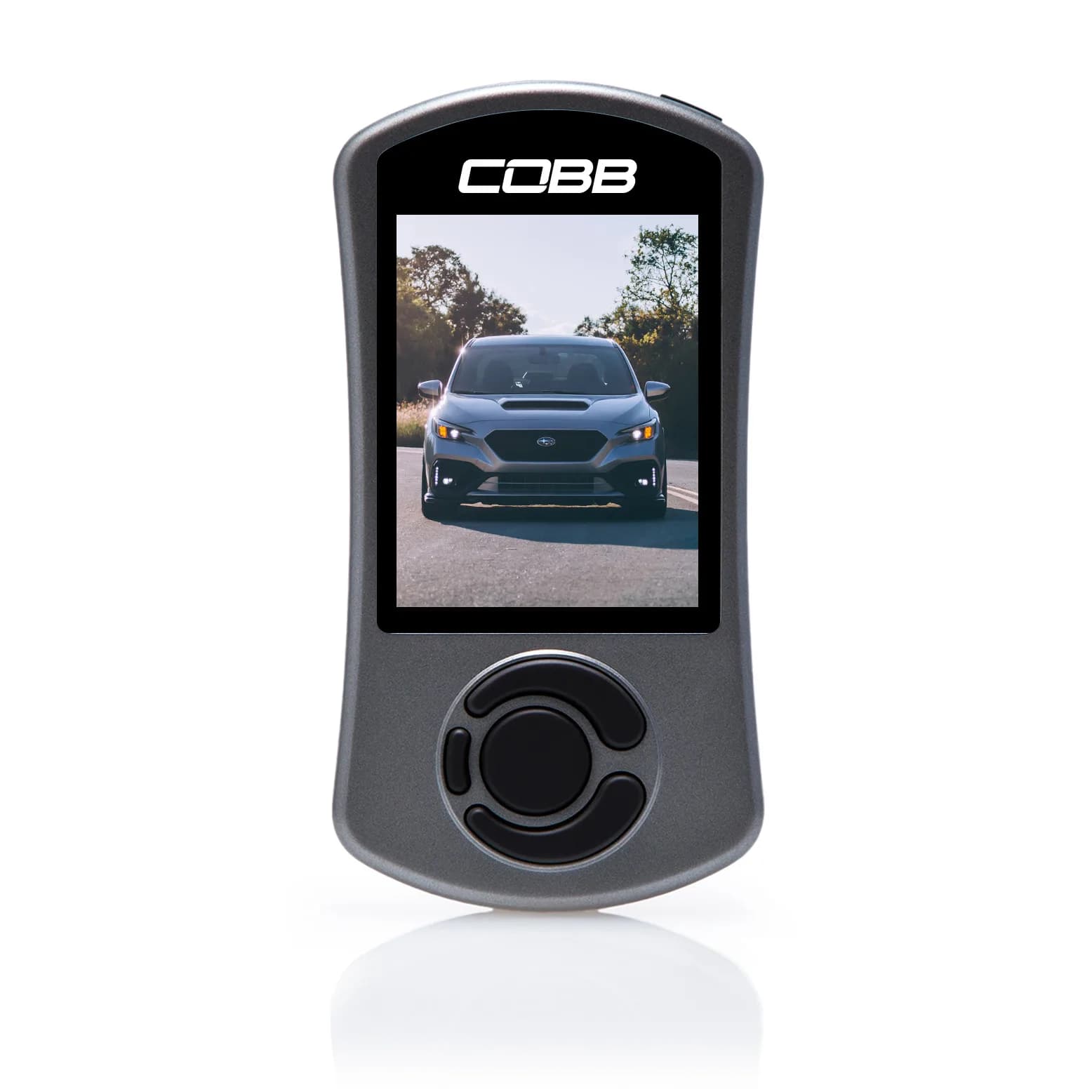
COBB Accessport
Shows real oil temperature

COBB

COBB Accessport

Tracked current price

$770.00

checked Oct 10

Used in 5 builds

View at MAPerformanceSee full mod page →
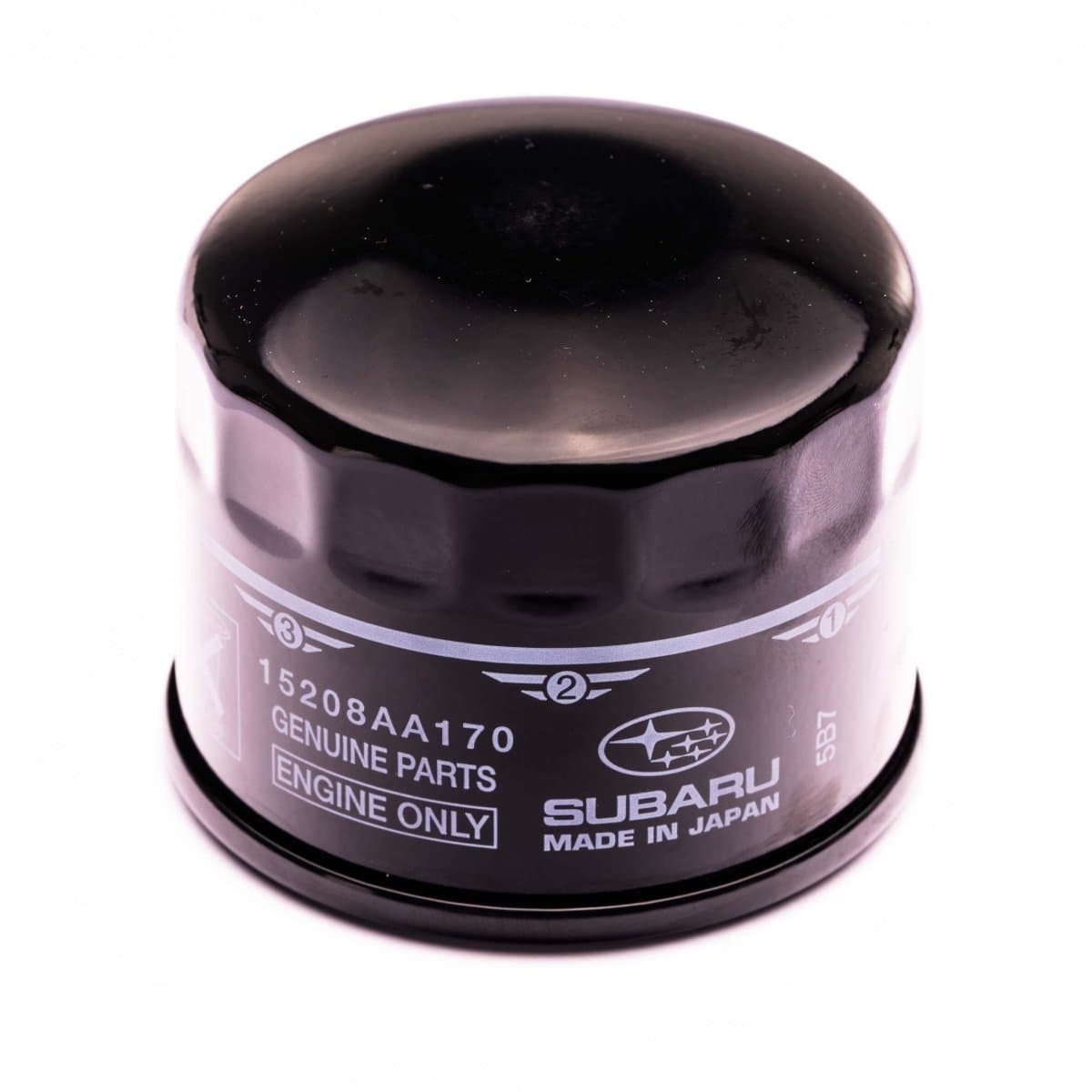
Subaru OEM Oil Filter
Short-trip cars need more

Subaru OEM

Subaru OEM Oil Filter

Tracked current price

$10.42

checked Oct 14

View at SubimodsSee full mod page →
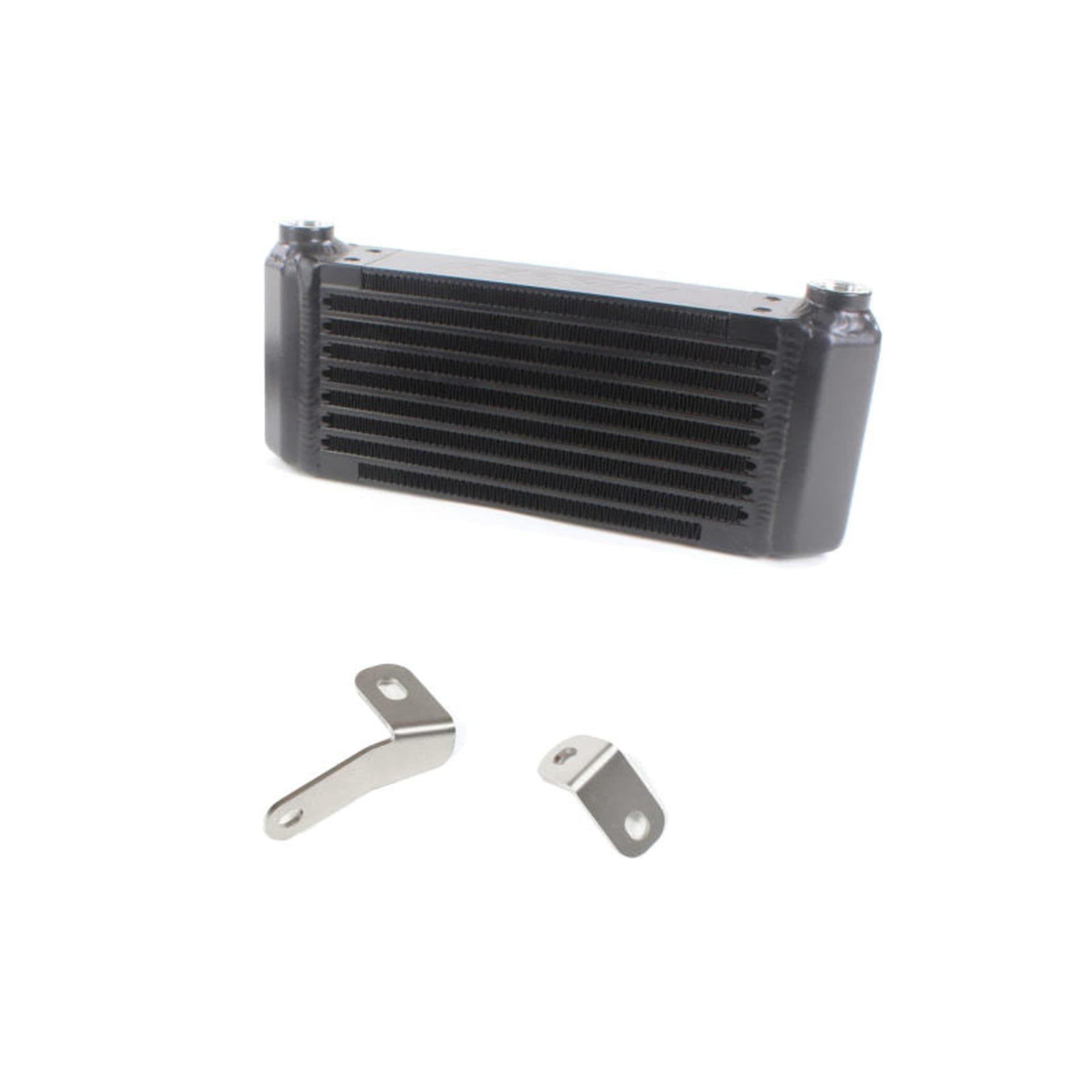
Perrin Oil Cooler Kit Tuner Kit w/o Lines WRX | PSP-OIL-127
Only if temps run high

Perrin

Perrin Oil Cooler Kit Tuner Kit w/o Lines WRX | PSP-OIL-127

Tracked current price

$463.25

checked Oct 10

View at Import Image RacingSee full mod page →

Pricing tracked independently.