WRX BaseAdd Build
Mods
Guides
Builds
Community
Planner
Add Your Build
Sign inSign up

WRX Base © 2026

AboutContactTikTokEditorial PolicyCorrectionsPrivacy PolicyUser Agreement

Tracked prices are not retailer-controlled.

This website provides informational content only. Automotive modifications may affect vehicle safety, reliability, emissions compliance, and warranty status. Always consult a qualified professional before modifying your vehicle.

WRX Base is an independent community resource and is not affiliated with, endorsed by, or sponsored by Subaru.

  1. WRX Base
  2. ›
  3. Decide
  4. ›
  5. 2022+ WRX Maintenance Guide
reliability

2022+ WRX Maintenance Guide

The factory schedule, plus what changes once the car is tuned.

Updated Aug 20, 2026·9 min read·Reviewed by WRX Base Editorial·11 related mods

Verdict

Follow the factory schedule on a stock car. Once tuned, halve the oil interval, treat spark plugs as a wear item rather than a service item, and shorten transmission fluid intervals on an automatic.

The factory schedule in outline

Subaru's WRX schedule runs on a 6,000 mile or six month cadence, with larger services stacking at 30,000 and 60,000 mile intervals. **Every 6,000 miles or 6 months:** engine oil and filter, tire inspection and rotation. **At 30,000 miles:** brake fluid, air filters, engine coolant and the PCV valve, along with cooling and fuel system inspection. **At 60,000 miles:** transmission fluid on automatic cars, and front and rear differential fluid inspected. Services performed at 60,000 repeat at 120,000. **Spark plugs** appear in different places depending on which source you read - commonly somewhere between 30,000 and 60,000 miles. Your owner's manual is the authority for your specific car and market, and it is worth checking rather than trusting an aggregator. That schedule is adequate for a stock car driven normally, and there is nothing exotic about it. One important note before the rest of this guide: Subaru's own guidance already includes a shorter interval provision for hard driving, short trips and extreme temperatures. Most enthusiast owners are in that category whether they think of themselves that way or not.

What changes when you tune the car

A tuned FA24 runs higher boost, higher cylinder pressure and higher sustained temperature. That does not require exotic maintenance. It shortens the useful life of several consumables and reduces your margin for letting things slide. **Oil, roughly halved.** Around 3,000 miles rather than 6,000. This is the single most valuable change and the cheapest. **Spark plugs become a wear item.** Higher cylinder pressure makes a marginal plug misfire under load, and on a tuned car that misfire looks like knock in a datalog and can genuinely cause damage. Replace them meaningfully sooner than the factory interval suggests, and always before a tuning session if the car has miles on it. **Transmission fluid on an automatic.** The SPT is torque-limited, and a tuned car is putting considerably more torque through it than the factory interval assumed. Fluid is the cheapest component in the drivetrain. **Fuel quality becomes maintenance.** A tuned car is far more sensitive to octane than a stock one because the map assumes it. Using the right fuel consistently stops being a preference. **Monitoring becomes part of the routine.** Watching knock behaviour and oil temperature is what separates owners who catch a problem early from those who find out expensively. **What does not change much:** coolant, brake fluid on a street car, and differential fluid on a manual driven normally all follow their normal schedules.

What to do next

Compare these mods

Browse reliability mods with pricing and compatibility notes.

See builds running this setup

Community-verified builds you can reference.

Add to planner

Sequence and budget this alongside your other mods.

Related Questions

Community FAQ

reliability

How often should I change the oil in a stock or tuned 2022+ WRX?

Subaru's guidance is around 6,000 miles or 6 months. Stock and gently driven, follow it. Tuned, tracked, or driven hard, halve it - roughly 3,000 miles is the sensible interval.

Read answer →

reliability

Does a tuned or modified WRX need more frequent maintenance?

Yes, but less dramatically than people fear. Shorter oil intervals, plugs treated as a wear item, and actually monitoring the car. Nothing exotic, just more attentive.

Read answer →

reliability

Should I run 0W-20 or 5W-30 oil in my 2022+ WRX?

0W-20 is the factory specification and the right choice for a stock, warranty-covered car. 5W-30 is a defensible choice for a tuned or tracked VB, and notably the same engine is specified for a heavier grade in some other markets.

Read answer →

reliability

How should I break in a new VB, and should I change the oil at 1,000 miles?

Continue reading

Related Guides

reliability

WRX Reliability Guide

The FA24 is a solid engine. Most VB reliability problems are decisions, not defects.

Read guide →

reliability

2022+ WRX Common Problems Guide

A short list, honestly assessed. The VB has fewer real problems than its reputation suggests.

Read guide →

reliability

WRX Track Day Prep Guide

Your first track day needs fluid and pads. Everything else is a problem you have not met yet.

Read guide →
Last updated Aug 20, 2026 · Reviewed by WRX Base Editorial · See a mistake? File a correction →

Maintenance items worth doing early

Heads up

Never tune around a maintenance problem. Tired plugs, a boost leak or old fluid will not be fixed by a map, and a tune written to compensate for one becomes wrong the moment the fault is repaired. Sort the car mechanically, then tune it - the order saves a second tuning session.
View source

Quick decision

How should you set your schedule?

The items the schedule underweights

A few things deserve more attention than a mileage table gives them. **Brake fluid, if you drive hard.** The schedule puts it at 30,000 miles. Brake fluid absorbs moisture over time, and moisture boils far below the fluid's rating - which is why a pedal goes long after repeated hard stops. If you do canyon roads or track days, change it more often and change it before an event rather than after. **Tire rotation on an all-wheel drive car.** Not cosmetic. Significantly different rolling diameters between axles load the centre differential continuously, and that turns a worn tire into a drivetrain problem. **Checking oil level between changes.** No schedule tells you to, and any turbocharged engine can use some. Running low is worse than running slightly old oil. **Cleaning salt off the underside in winter.** Corrosion is what turns a mechanically sound young car into a tired one, and it happens where nobody looks. **Direct injection carbon over long ownership.** The FA24 has no fuel washing the intake valves, so oil vapour from the PCV system deposits there over tens of thousands of miles. A baffled catch can intercepts it and is reasonable insurance if you intend to pass 100,000 miles - though it is maintenance itself, needing periodic emptying.

Tip

Keep a simple log - date, mileage, what was done, what fluid or part went in. It costs nothing, it makes warranty and resale conversations dramatically easier, and it is the difference between knowing when your plugs were last changed and guessing.

The verdict

For a stock VB, follow the factory schedule and do not overthink it. The car is not demanding and the intervals are reasonable. For a tuned VB, make three changes: halve the oil interval, treat plugs as a wear item, and shorten transmission fluid intervals if it is an automatic. That is genuinely the whole list, and it costs perhaps an extra oil change and a set of plugs per year. Add monitoring, because a tuned car gives you warning signs and expects you to read them, while a stock car tolerates being ignored. And check your owner's manual rather than an internet summary, including this one, for the specifics of your model year and market. Aggregated schedules are a good outline and a poor authority.

Pre-purchase checks for this mod

  • 1Confirm intervals against your owner's manual - it is the authority
  • 2Oil and filter every 6,000 miles or 6 months, halved once tuned
  • 3Treat spark plugs as a wear item on a tuned car
  • 4Shorten transmission fluid intervals on a tuned automatic
  • 5Change brake fluid before track use regardless of mileage
  • 6Rotate tires on schedule - all-wheel drive makes matched wear matter
  • 7Keep records; they matter for warranty and resale

Jump To

The factory schedule in outlineWhat changes when you tune the carMaintenance items worth doing earlyThe items the schedule underweightsThe verdict

Follow Subaru's first 1,000 miles guidance - vary speed and load, stay under 4,000 rpm. An early oil change is optional and very common; it is cheap insurance rather than a requirement.

Read answer →

Community FAQ

Does a tuned or modified WRX need more frequent maintenance?

Yes, but less dramatically than people fear. Shorter oil intervals, plugs treated as a wear item, and actually monitoring the car. Nothing exotic, just more attentive.

Read answer →
FeatureNGK NGK (SILKFR8A6) Laser Iridium Spark Plugs WRX (Qty 4)Subaru OEM Oil FilterCOBB High Flow Air Filter WRXRadium Engineering CCV Catch Can Kit Fluid Lock WRX 22-26
Price range$71$10$90$209
Requires tune?NoNoNoNo
Daily-friendlyWear item when tunedEvery oil changeStock airbox safeNeeds periodic emptying
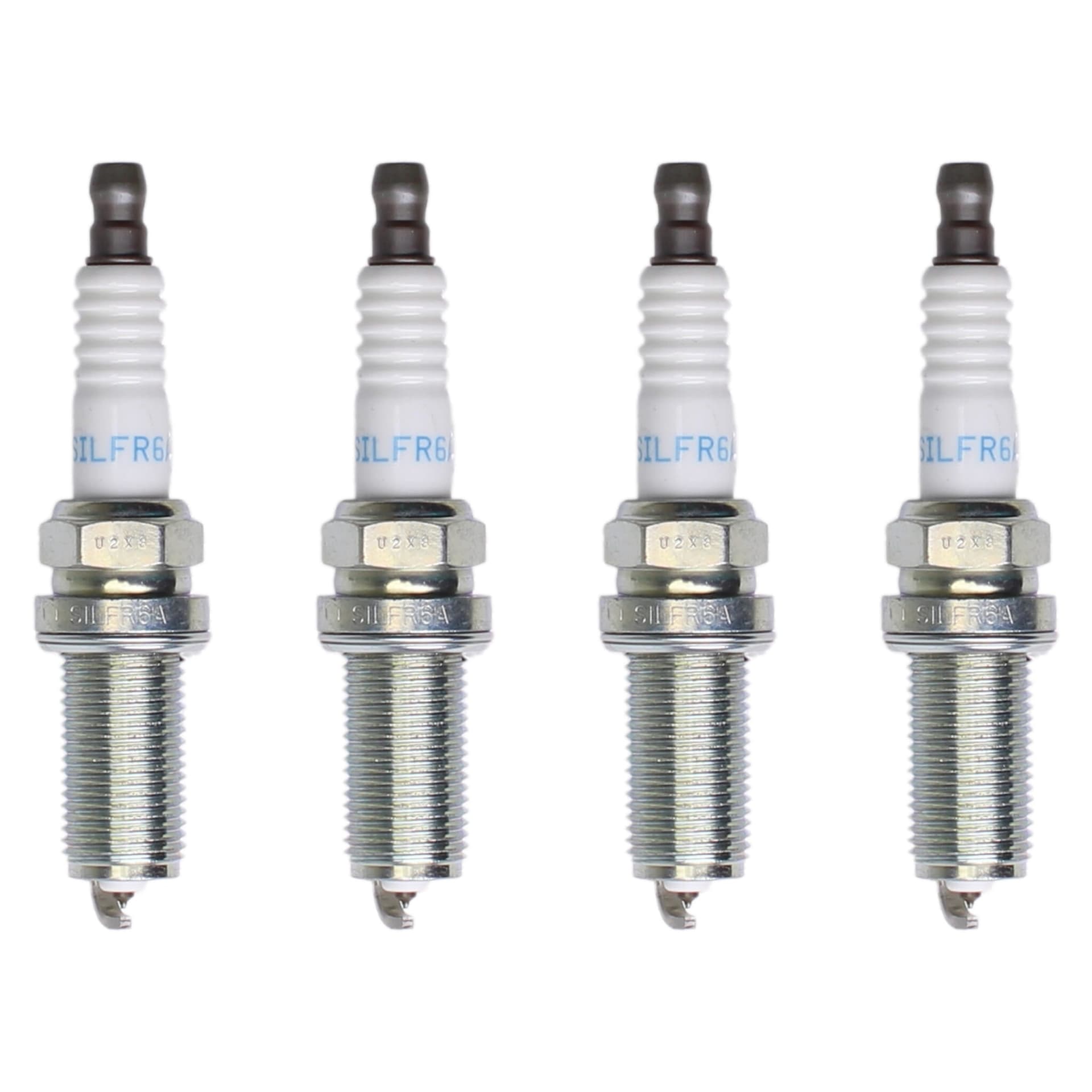
NGK (SILKFR8A6) Laser Iridium Spark Plugs WRX (Qty 4) | 96698
Wear item on tuned cars

NGK

NGK (SILKFR8A6) Laser Iridium Spark Plugs WRX (Qty 4) | 96698

Last tracked price

$70.83

last checked Sep 30

View at Import Image RacingSee full mod page →
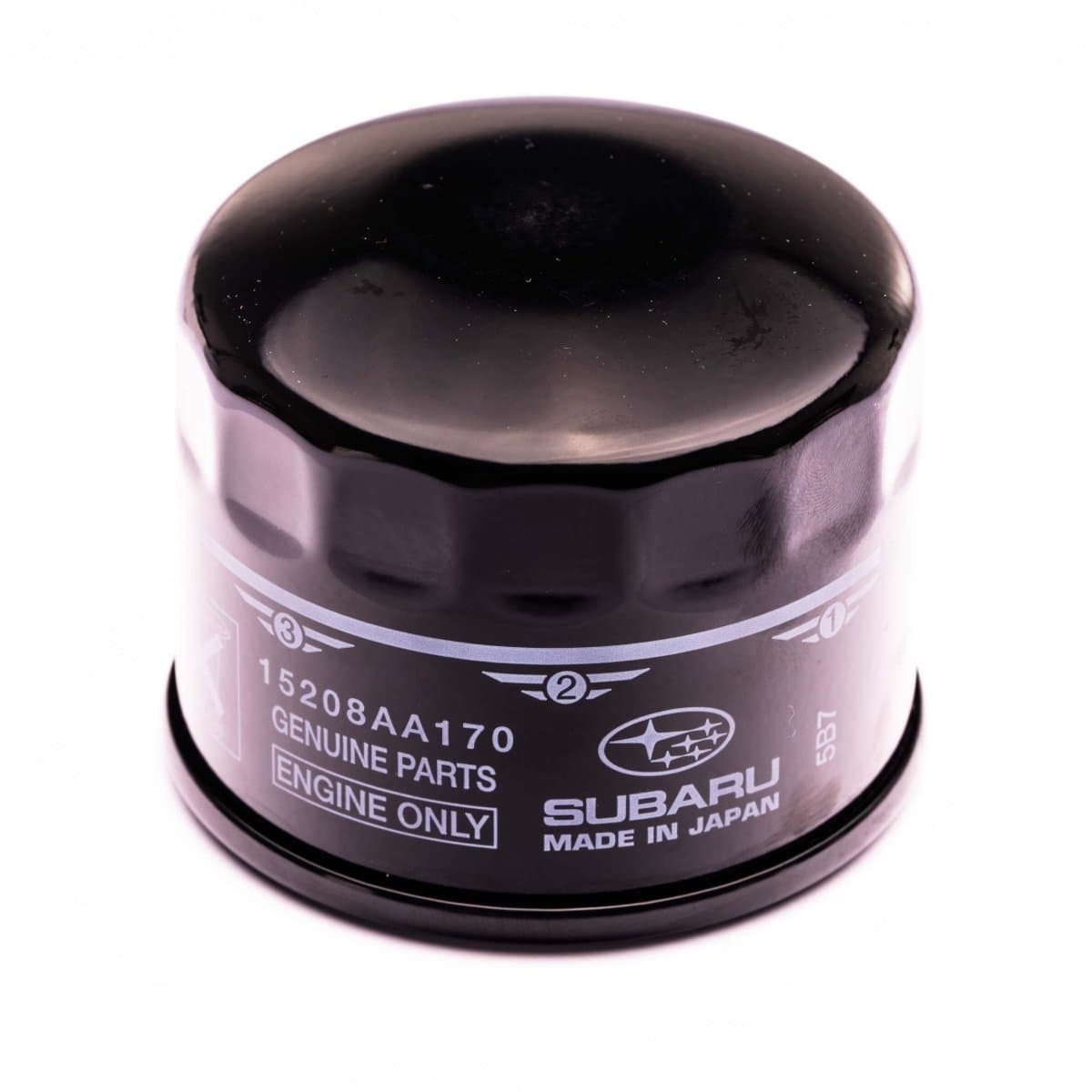
Subaru OEM Oil Filter
Every oil change

Subaru OEM

Subaru OEM Oil Filter

Tracked current price

$10.42

checked Oct 14

View at SubimodsSee full mod page →
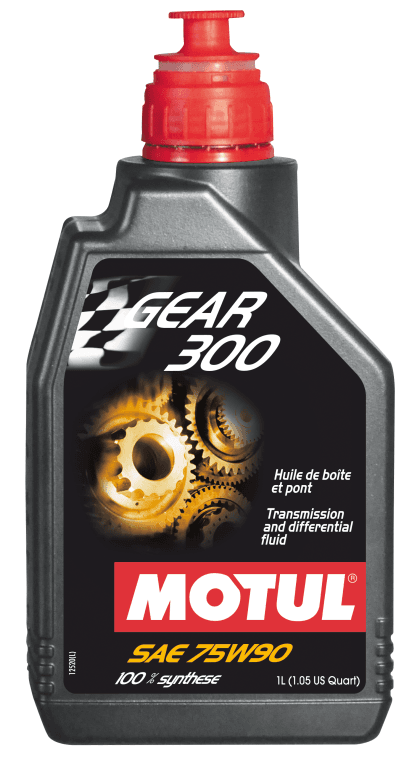
FelixPerformance Transmission (Front Diff) and Rear Differential Fluid / Oil Change Kit
Driveline fluid service

FelixPerformance

FelixPerformance Transmission (Front Diff) and Rear Differential Fluid / Oil Change Kit

Tracked current price

$110.00

checked Oct 11

View at Felix PerformanceSee full mod page →

Pricing tracked independently.