WRX BaseAdd Build
Mods
Guides
Builds
Community
Planner
Add Your Build
Sign inSign up

WRX Base © 2026

AboutContactTikTokEditorial PolicyCorrectionsPrivacy PolicyUser Agreement

Tracked prices are not retailer-controlled.

This website provides informational content only. Automotive modifications may affect vehicle safety, reliability, emissions compliance, and warranty status. Always consult a qualified professional before modifying your vehicle.

WRX Base is an independent community resource and is not affiliated with, endorsed by, or sponsored by Subaru.

  1. WRX Base
  2. ›
  3. Decide
  4. ›
  5. WRX Accessport Monitoring Guide
tuning

WRX Accessport Monitoring Guide

Most knock readings on a VB are noise. Knowing which ones are not is the whole skill.

Updated Aug 20, 2026·9 min read·Reviewed by WRX Base Editorial·10 related mods

Verdict

Watch DAM as your health check, treat isolated small knock corrections as noise, and investigate the combination of a dropped DAM with corrections beyond roughly -2.5 under boost. Read patterns, never single numbers.

What knock is, and why your car reports so much of it

Detonation is the air-fuel mixture igniting spontaneously during the compression stroke, pushing against the rising piston and spiking cylinder pressure. The ECU listens for it with a microphone bolted to the block, tuned to specific frequencies. Two things follow from that design and they explain most of what you will see. First, these events are inevitable on any modern engine running pump gas. A car that never reports any knock is unusual rather than ideal. Second, a microphone listening for specific frequencies cannot perfectly distinguish detonation from other mechanical noise. Subaru's detection deliberately errs toward catching everything, which COBB describes as using a large net - it reliably catches real knock and it catches plenty of harmless noise alongside. False knock has recognisable circumstances. It clusters when accelerating from a stop while releasing the clutch, during gear shifts and particularly if you grunt one, accelerating at low rpm in a high gear, cruising on the motorway, and during abrupt throttle changes. If your corrections appear in those situations, that is a car hearing noise. If they appear under sustained boost at wide open throttle, that is different, and the rest of this guide is about telling them apart.

DAM, and why VB advice differs from older Subarus

Dynamic Advance Multiplier is a global multiplier on the additive ignition timing the ECU is willing to run, expressed on the VB as a decimal from 0 to 1 with 1 being ideal. Here is where most forum advice goes wrong for this car. On older non-DIT Subarus, a DAM below ideal was a straightforward indicator that something was wrong. On direct injection Subarus, which includes the FA24, COBB deliberately made the strategy more reactive - premium fuel is not required on these cars, so the ECU responds differently. The practical consequences for a VB owner: **Corrections that would have appeared as Fine Knock Learning on an older car can show up as a DAM drop here.** A drop is not automatically an alarm. **It is not surprising to see DAM drop**, particularly on lower octane fuel. **How long DAM takes to return to 1 tells you nothing about how serious the event was**, and does not mean the car is still knocking. **DAM only climbs back after driving in specific load and rpm ranges without knock.** It can sit low simply because you have not driven through the conditions needed to relearn. DAM also resets after an ECU reset or a reflash, so a low value right after flashing is expected. So watch DAM, but interpret it alongside the other monitors rather than treating any drop as a verdict. That is the single most important adjustment to make if your instincts were formed on older Subaru advice.

What to do next

Compare these mods

Browse tuning mods with pricing and compatibility notes.

See builds running this setup

Community-verified builds you can reference.

Add to planner

Sequence and budget this alongside your other mods.

Related Questions

Community FAQ

tuning

What do DAM, Feedback Knock, and Fine Knock Learn mean on a WRX Accessport?

They are the three ways the ECU responds to knock. On a direct-injection car like the VB, a DAM drop is not automatically a problem - the DIT strategy is deliberately reactive, and you have to read all three monitors together.

Read answer →

reliability

What is a normal oil temperature for a 2022+ WRX?

Roughly 200 to 230F in mixed driving is normal. Spirited driving and track sessions push 230 to 260F, and sustained time above that is where an oil cooler starts to earn its place.

Read answer →

reliability

How warm should my WRX be before I get into boost?

Wait for oil temperature, not coolant. Coolant comes up fast and lies to you; oil takes considerably longer. Drive gently until oil is around 180F, then use the car normally.

Read answer →

tuning

Do I need to leave my Accessport plugged in all the time?

Continue reading

Related Guides

tuning

WRX VB Tuning Guide

How to choose the right tuning path before you buy parts, flash a map, or chase power.

Read guide →

reliability

WRX Reliability Guide

The FA24 is a solid engine. Most VB reliability problems are decisions, not defects.

Read guide →

tuning

WRX ATLAS Datalogging Guide

Logging everything teaches you nothing. Five parameters answer most real questions.

Read guide →
Last updated Aug 20, 2026 · Reviewed by WRX Base Editorial · See a mistake? File a correction →

Source

COBB documents that the DIT strategy is intentionally more reactive than earlier non-DIT cars, that a DAM drop should not be surprising especially on lower octane, that recovery time is not indicative of severity, and that assessing a DIT vehicle requires considering how far DAM dropped alongside what Feedback Knock Correction and Fine Knock Learning look like overall.
View source

Feedback Knock and Fine Knock Learn

**Feedback Knock Correction** is the instant reaction. On a perceived noise the ECU immediately pulls timing by the amount shown, then adds it back toward zero once nothing further is detected. It is momentary by design. COBB considers Feedback Knock Correction of roughly -2.5 degrees or less to be normal and not a major concern. Seeing occasional small corrections is ordinary. **Fine Knock Learning** is the remembered correction. Built from historical noise, it applies proactively to specific load and rpm ranges - once learned into a range, it applies whenever the engine operates there. FKL values reset when DAM changes and are re-evaluated once DAM has stabilised. FKL is more meaningful than FBKC precisely because it is not momentary. It represents the ECU concluding that a particular part of the map is a problem. **The combination that warrants investigation** is DAM below ideal together with corrections beyond roughly -2.5 - and it is especially concerning if that occurs at full boost and wide open throttle rather than at cruise or light load. That pairing is the key insight. On a DIT car neither number alone tells you much. What matters is how far DAM dropped, what the corrections look like, and under what conditions they happened.

What monitors commonly point to

Beyond knock: boost, fuel and temperatures

**Boost, target and actual.** Log both, because the gap between them is one of the most diagnostic things available. A car that consistently falls short of target is usually reporting a boost leak rather than a tuning problem, and on this platform the charge pipe couplers and intercooler clamps are the usual suspects. A leak invisible at idle opens under 18 or 20 psi. **Air-fuel ratio and fuel corrections.** Whether the engine is getting what the map intended. Large trims suggest the airflow model does not match reality, which on a MAF-based car usually means something changed in the intake tract. **Oil temperature.** Street driving keeps the FA24 around 200 to 230F; spirited driving and track sessions push 230 to 260F. This is also how you know the car is warm enough to use - coolant temperature comes up far sooner and will mislead you. Oil around 180F is the practical threshold before using boost. **Intake air temperature.** Rising IAT across a session is heat soak, and it explains the third pull feeling softer than the first. It is the monitor that tells you whether an intercooler is a genuine need. **Coolant temperature and oil pressure** round out a useful set once you are comfortable with the rest.

Quick decision

What are you seeing?

How to log something worth reading

Technique matters more than how many channels you record. **Third or fourth gear for full throttle pulls.** Lower gears pass through the rev range too quickly for useful resolution and load the drivetrain harder for no diagnostic benefit. **Get the oil to temperature first.** A log on cold oil describes a cold engine, not your tune. **Log normal driving too.** Drivability problems live at part throttle and cruise, and a log of nothing but wide open throttle contains none of that. If you work with a remote tuner, part-throttle logs are frequently what they need most. **Record the conditions.** Fuel and octane, ambient temperature, anything unusual. The same map behaves differently in January and July. **Do not analyse while driving.** Watching a knock channel at full throttle is unsafe and useless - you cannot interpret a transient reading in real time and you are not looking where you should be. Record it, stop, then read it. **Establish your own normal.** The single most useful thing monitoring gives you is familiarity with what your car does routinely, because that is what makes a change noticeable. Numbers from someone else's car on a forum are a poor substitute.

Tip

If knock does appear genuinely, work through causes in order of likelihood before suspecting the tune: fuel quality or the wrong octane for your map, a boost leak, tired spark plugs, worn MAF or front oxygen sensors, and excessive blow-by. A map from a reputable source on matching hardware is rarely the problem.
View source

Monitoring without anxiety

There is a failure mode where monitoring makes ownership worse rather than better, and it is common enough to name. An owner fits an Accessport, sees a knock correction, searches a forum, finds advice written about a 2010 STI, concludes the engine is failing, and spends months anxious about a car that is completely healthy. That is a worse outcome than never having looked. The protection against it is context. Learn what your car does normally across conditions - cold mornings, hot afternoons, cruise, hard driving. Once you know your baseline, a genuine change is obvious and a normal reading stops being alarming. And hold onto the framing that Subaru's knock detection is deliberately broad. It catches real knock and it catches noise, and it does that on purpose because missing real knock is worse than reporting false knock. The system working as designed produces readings that look concerning to someone expecting silence. Used well, monitoring is the difference between owners who keep their engines and owners who do not. A stock car tolerates being ignored; a tuned one gives you warning signs and expects you to read them. The skill is not in seeing the numbers - it is in knowing which ones mean anything.

Pre-purchase checks for this mod

  • 1Establish what normal looks like on your car before worrying about a reading
  • 2Log in third or fourth gear, not first or second
  • 3Get oil to temperature before drawing conclusions from any log
  • 4Note fuel, octane and ambient conditions with each session
  • 5Watch patterns across a log rather than reacting to single values
  • 6Check for boost leaks before blaming the tune
  • 7Keep logs alongside the map that was loaded at the time

Jump To

What knock is, and why your car reports so much of itDAM, and why VB advice differs from older SubarusFeedback Knock and Fine Knock LearnWhat monitors commonly point toBeyond knock: boost, fuel and temperaturesHow to log something worth readingMonitoring without anxiety

No. The map is written into the ECU, so once you have flashed it the car runs the tune with the device unplugged. Leave it connected only when you want live gauges or a datalog.

Read answer →

Community FAQ

What do DAM, Feedback Knock, and Fine Knock Learn mean on a WRX Accessport?

They are the three ways the ECU responds to knock. On a direct-injection car like the VB, a DAM drop is not automatically a problem - the DIT strategy is deliberately reactive, and you have to read all three monitors together.

Read answer →
FeatureNGK NGK (SILKFR8A6) Laser Iridium Spark Plugs WRX (Qty 4)Perrin Charge Pipe Black WRXAMS Performance Top Mount Intercooler WRX 2022+Perrin Oil Cooler Kit Tuner Kit w/o Lines WRX
Price range$71$299 – $352$750$463
Requires tune?NoNoNoNo
Daily-friendlyKnock under loadBoost below targetRising IAT in a sessionSustained high oil temp
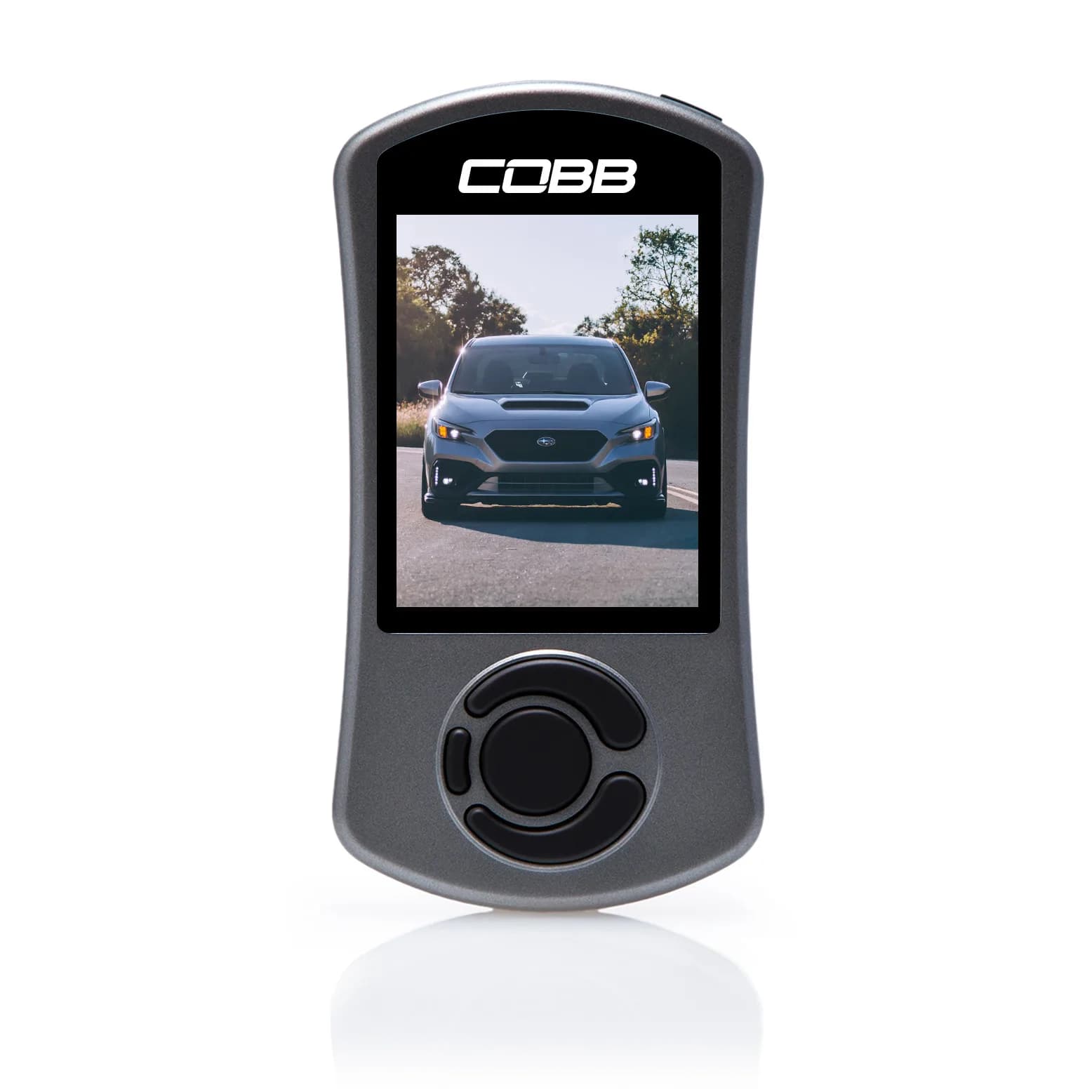
COBB Accessport
The monitoring tool itself

COBB

COBB Accessport

Tracked current price

$770.00

checked Oct 10

Used in 5 builds

View at MAPerformanceSee full mod page →
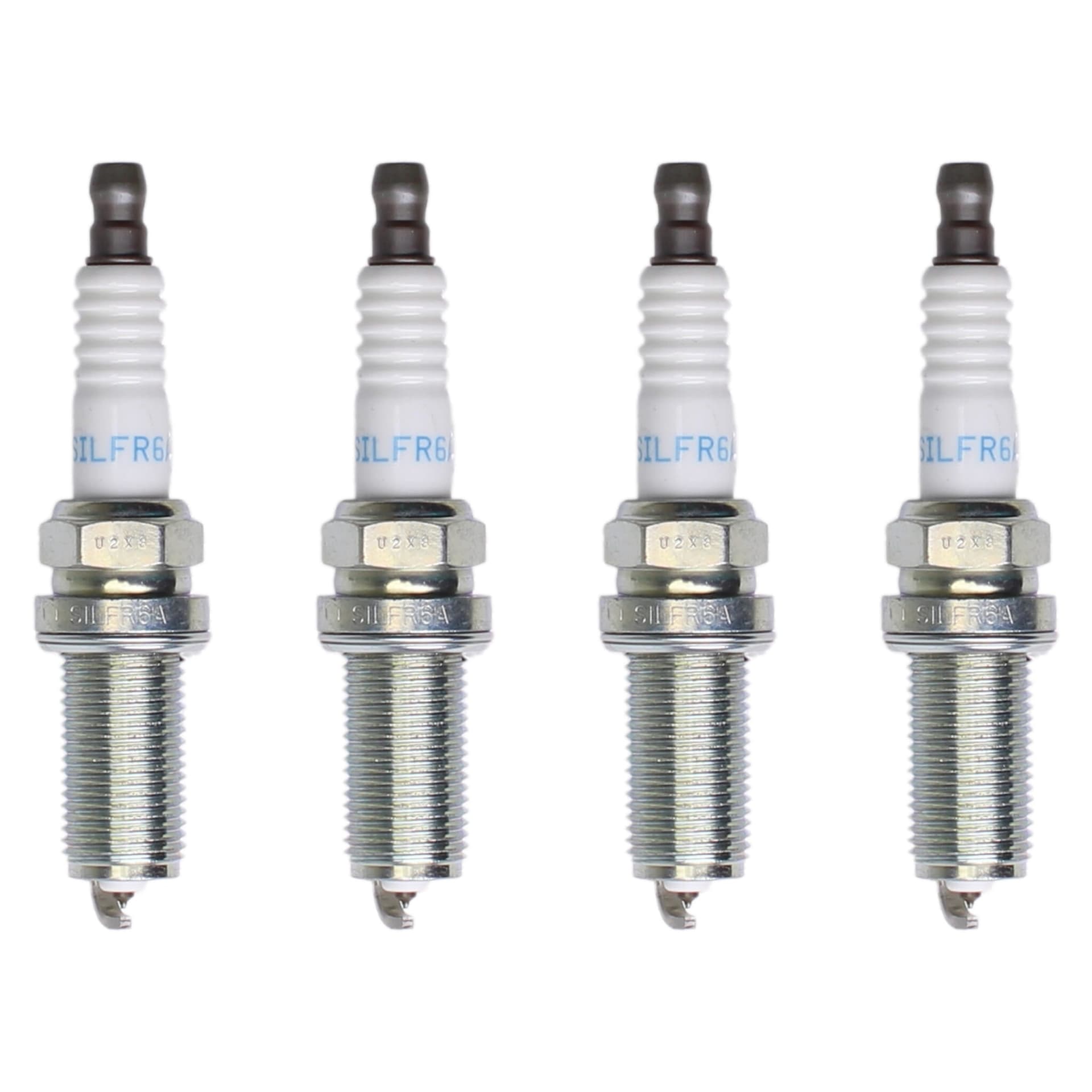
NGK (SILKFR8A6) Laser Iridium Spark Plugs WRX (Qty 4) | 96698
Common cause of false knock

NGK

NGK (SILKFR8A6) Laser Iridium Spark Plugs WRX (Qty 4) | 96698

Last tracked price

$70.83

last checked Sep 30

View at Import Image RacingSee full mod page →
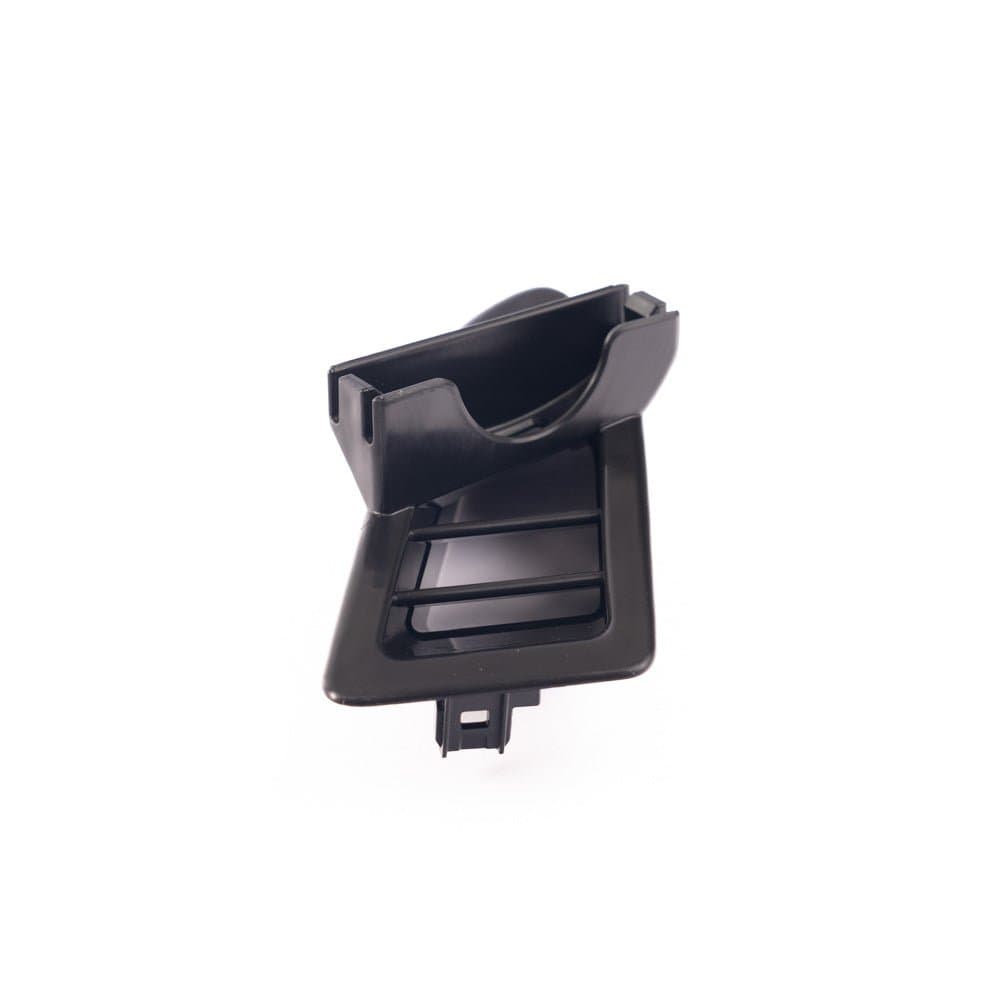
MACH V Accessport Vent Dock Mount
Safe in-car mounting

MACH V

MACH V Accessport Vent Dock Mount

Last tracked price

$79.00

last checked Sep 29

View at SubimodsSee full mod page →

Pricing tracked independently.