WRX BaseAdd Build
Mods
Guides
Builds
Community
Planner
Add Your Build
Sign inSign up

WRX Base © 2026

AboutContactTikTokEditorial PolicyCorrectionsPrivacy PolicyUser Agreement

Tracked prices are not retailer-controlled.

This website provides informational content only. Automotive modifications may affect vehicle safety, reliability, emissions compliance, and warranty status. Always consult a qualified professional before modifying your vehicle.

WRX Base is an independent community resource and is not affiliated with, endorsed by, or sponsored by Subaru.

  1. WRX Base
  2. ›
  3. Decide
  4. ›
  5. WRX Brake Upgrade Guide
suspension

WRX Brake Upgrade Guide

Fluid and pads solve almost every real braking complaint. A big brake kit solves almost none of them.

Updated Aug 20, 2026·8 min read·Reviewed by WRX Base Editorial·13 related mods

Verdict

Fresh high-temperature fluid first, then pads matched to how you drive. Those two solve fade for nearly everyone. Lines and rotors are refinements, and a big brake kit is for repeat track use rather than a street car.

Diagnose before you shop

Brake complaints come in three flavours and they have different fixes. The pedal goes long or soft after several hard stops, then recovers when the car cools. That is fluid boiling. It is the most common complaint and the cheapest to fix. The pedal stays firm but the car stops less well, often with a smell and a glazed feel. That is pad fade - the friction material past its temperature range. Pads fix it. The pedal feels vague or spongy all the time, regardless of temperature. That is usually flex in rubber hoses or old fluid, and it is what braided lines address. Notice what is not on that list: not enough caliper. On a street-driven VB the factory brakes have ample clamping capacity. What they run out of is heat tolerance, and heat tolerance lives in the fluid and the pad, not in the number of pistons. This is why the correct upgrade order is fluid, pads, lines, rotors, and only then calipers - and why most owners never need to reach the end of that list.

Fluid first, and flush it properly

Brake fluid is hygroscopic - it absorbs moisture from the air over time, and water boils far below the temperature the fluid is rated for. Old fluid in a car that gets driven hard is the single most common cause of a long pedal. A fresh flush with a quality high-temperature DOT 4 fluid is the cheapest meaningful brake upgrade available, and for most drivers doing occasional spirited driving it is genuinely all that is needed. The critical word is flush. Topping up the reservoir does nothing, because the old, wet fluid is sitting down at the calipers where the heat is. And mixing fluids without a full flush is a documented way to end up with a spongy pedal - VB owners have reported exactly that after adding DOT 4 on top of the factory fill without bleeding the system through. For street driving, a good DOT 4 with a high dry boiling point is plenty. For track use, step up to a dedicated racing fluid, and bleed the brakes after every event rather than annually. Track heat cycles fluid hard, and fresh fluid before an event is standard practice for a reason. This is a $20 to $60 part plus an hour of work, and it addresses the thing most people are actually complaining about.

What to do next

Compare these mods

Browse suspension mods with pricing and compatibility notes.

See builds running this setup

Community-verified builds you can reference.

Add to planner

Sequence and budget this alongside your other mods.

Related Questions

Community FAQ

wheels / tires

What wheel and tire specs fit best on the VB?

18x9.5 +38 on 255/35 is the proven baseline at or near stock height. Lower the car, go taller or wider, or pick a tire that runs wide, and rubbing at the rear flare becomes likely.

Read answer →

warranty

Will mods void my warranty?

Not automatically - that is not how it works. But a tune or any power modification makes a powertrain claim much harder, and the ECU records reflashes even after you return to stock.

Read answer →

beginner mods

What are the best first mods for a stock WRX VB?

Tires, shifter bushings and a rear sway bar. Under a thousand dollars including tires, no tune required, and they improve things you experience on every single drive.

Read answer →

suspension

Do I need an alignment after installing lowering springs or coilovers?

Yes, always, and wait for the suspension to settle first. Lowering changes camber and toe by design, and skipping the alignment will destroy a set of tires faster than the springs cost.

Continue reading

Related Guides

wheels

Best Tires for the 2022+ WRX

The cheapest way to make a VB genuinely faster, and the one upgrade that works on every road.

Read guide →

suspension

WRX Suspension Guide

Sway bars change how the car behaves. Springs change how it looks. Know which one you actually want.

Read guide →

beginner

Best Daily Driver Mods

The practical WRX VB mod path for better feel, sound, grip, comfort, and usability without ruining daily drivability.

Read guide →
Last updated Aug 20, 2026 · Reviewed by WRX Base Editorial · See a mistake? File a correction →

Pads: match the compound to your driving

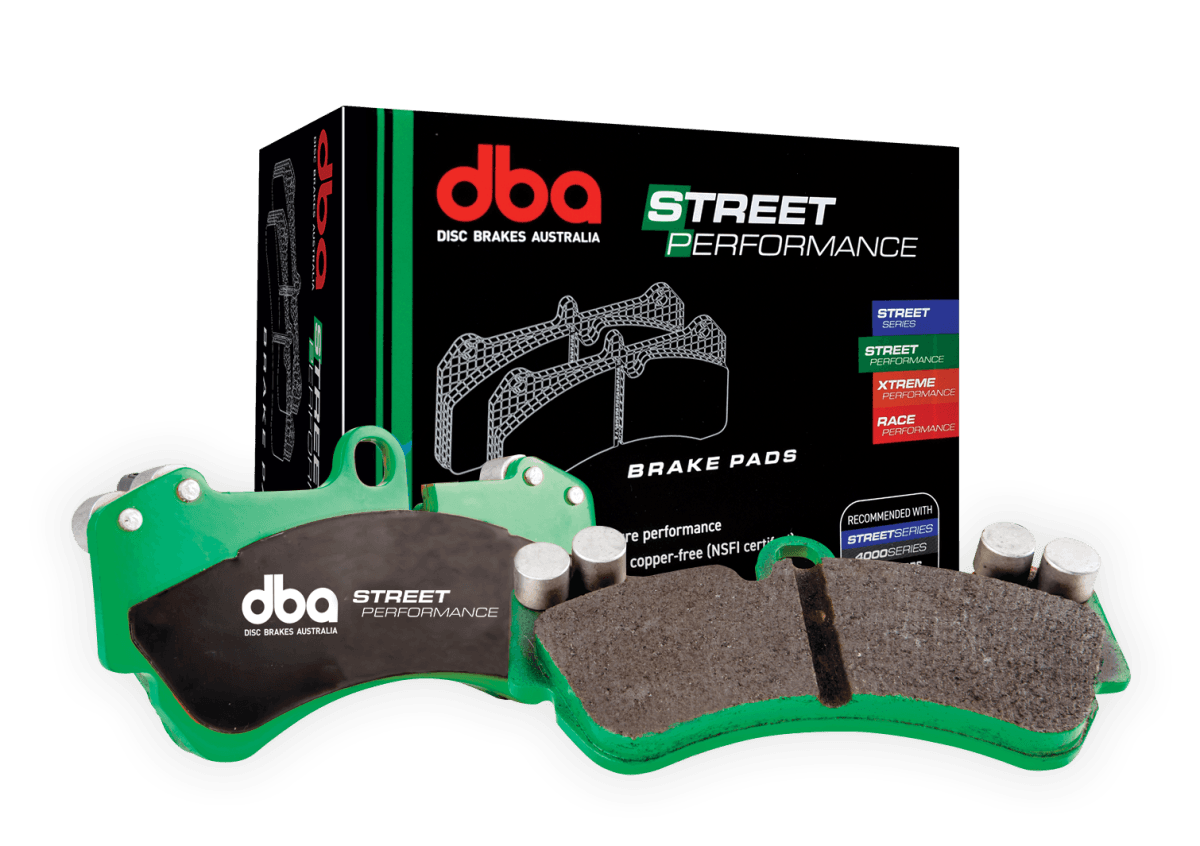
After fluid, pads are where the real gains are, and the selection principle is to be honest about your use. Street pads prioritise low dust, quiet operation and good cold bite - they work from the first stop of the morning. They fade under sustained hard use, but they are the right choice for a car that is driven on roads. Street-performance pads raise the temperature range meaningfully while staying civil enough for daily driving. Slightly more dust, slightly more noise, considerably more resistance to fade. For a VB that sees canyon roads or the occasional autocross, this is usually the sweet spot. Track pads have high temperature ceilings and are genuinely unpleasant on the street. They need heat to work, which means poor cold bite on the first stop, they are noisy, and they eat rotors. Buy them for track days and swap them for the drive home if you can. The VB-specific detail worth checking: trims differ, and some carry Brembo calipers while others use the standard setup. Pad and rotor part numbers differ between them, so confirm what your car has before ordering. This trips people up regularly. And one universal rule: bed new pads in properly before any hard driving. An unbedded pad transfers material unevenly and produces vibration people misdiagnose as a warped rotor.

Brake upgrade paths

Quick decision

What is your actual braking complaint?

Heads up

Stopping distance on a street car is limited by tire grip, not by brake hardware. The factory brakes can already lock all four wheels, and adding caliper does not change how much grip the tires have. If your goal is to stop shorter, tires are the purchase - brakes are what let you keep doing it repeatedly without fade.

Lines, rotors, and when a big brake kit makes sense

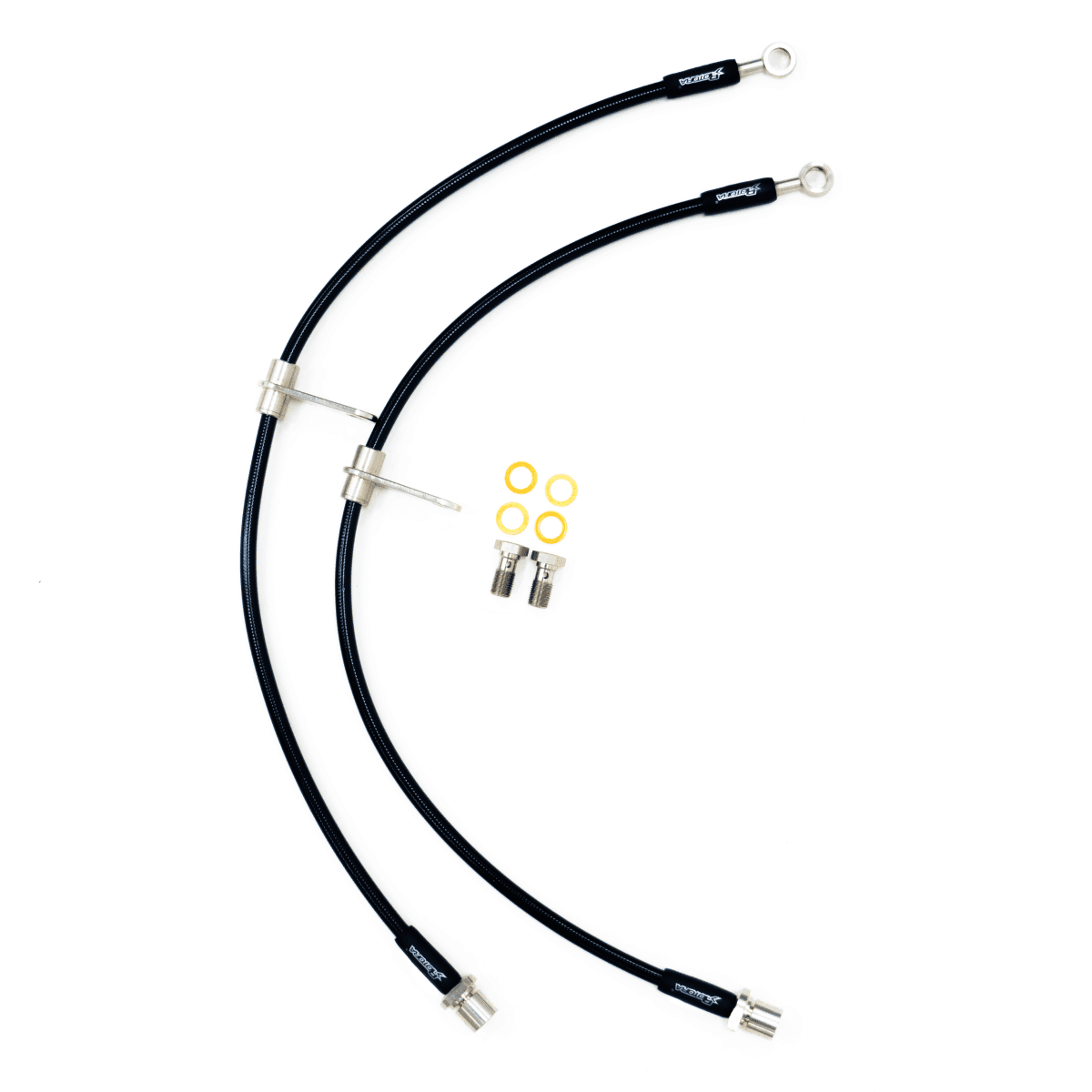
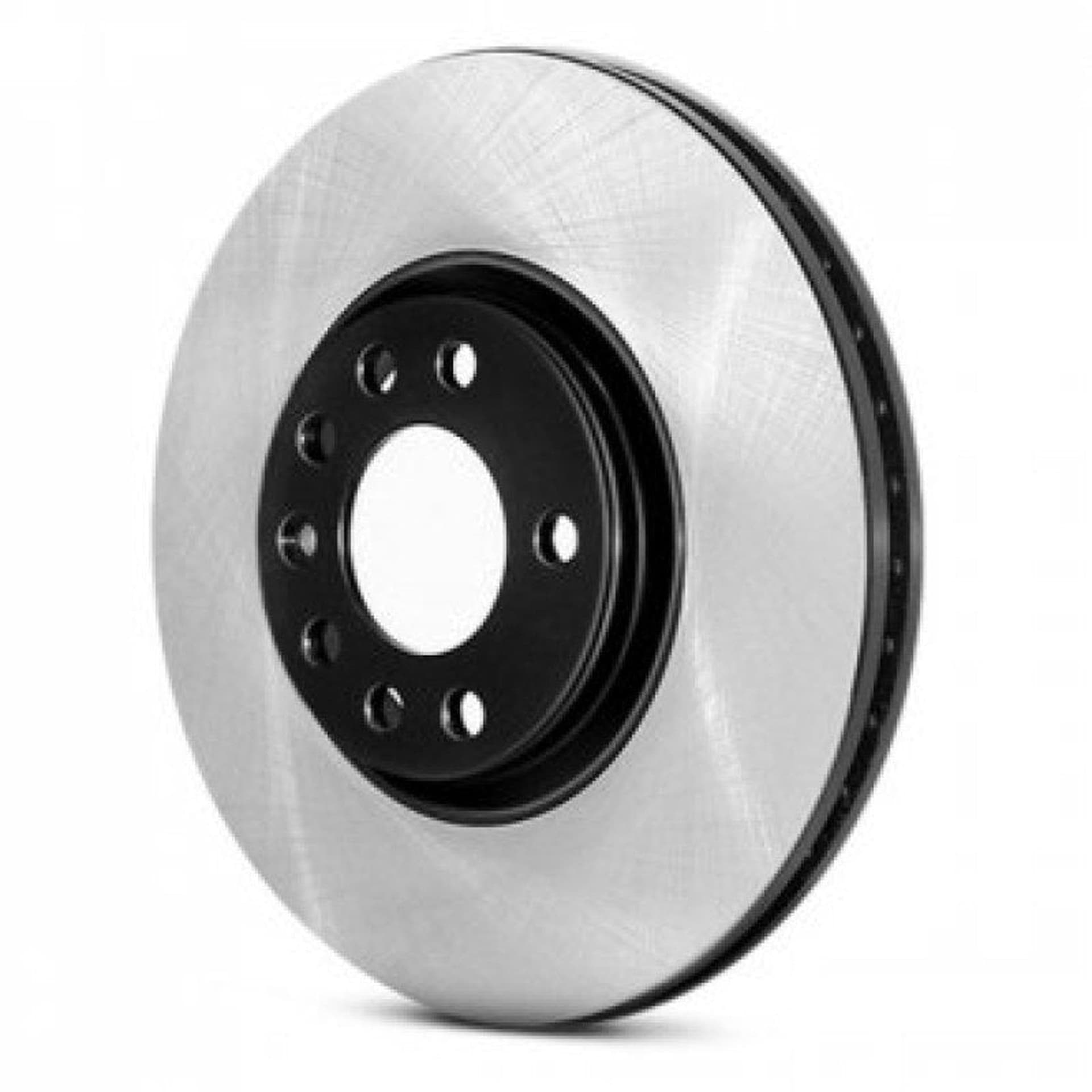
Braided stainless lines, roughly $94 to $191, replace rubber hoses that expand slightly under pressure. The result is a firmer, more consistent pedal with better feel at the top of travel. It is a refinement rather than a fix, and it is a genuinely nice one on a car you drive hard. Rotors matter less than people expect. Quality replacement rotors in the factory size are the sensible choice, and drilled rotors in particular are worth avoiding - the holes are stress risers that can crack under track heat. Slotted rotors are a reasonable middle ground. What actually improves is thermal capacity and consistency, not the pattern on the face. Big brake kits run roughly $3,200 to $6,000 on this platform. What they genuinely provide is thermal mass - a larger rotor absorbs and sheds more heat, so it resists fade across repeated sessions in a way stock hardware cannot. That is a real benefit for someone doing consecutive track days. What they do not provide is shorter stopping distances on a street car, because the limit there is the tire. They also add unsprung weight, require clearance checking against your wheels, and are expensive to maintain once consumables wear. The honest position: if you track the car regularly and have already exhausted fluid, pads and cooling, a big brake kit is a legitimate next step. If you are buying one for a street car because the factory brakes feel unremarkable, spend a fraction of that on fluid, pads and tires and you will have a car that stops better and costs far less to run.

The verdict

Flush the fluid. If you have never done it and the car sees any hard driving, this is your first move and it will probably fix your complaint outright. Add street-performance pads if you drive canyon roads, autocross, or simply want more margin. Confirm whether your trim has Brembo calipers before ordering. Add braided lines if you want a firmer pedal and better feel. It is a refinement worth having on a car you enjoy driving. Replace rotors when they are worn, with quality units in the factory size, and skip the drilled ones. And leave big brake kits alone unless you are running repeat track sessions and have already worked through everything above. On a street VB they are a several-thousand-dollar answer to a problem that fluid and pads solve for under $300.

Pre-purchase checks for this mod

  • 1Flush fluid completely rather than topping up - mixing fluids causes a soft pedal
  • 2Match pad compound to how you actually drive, not how you aspire to drive
  • 3Bed in new pads properly before any hard use
  • 4Bleed brakes after every track event
  • 5Check whether your trim has Brembo calipers before ordering pads or rotors
  • 6Confirm caliper clearance if you run aggressive wheel fitment
  • 7Budget tires before brakes - grip limits stopping distance, not caliper count

Jump To

Diagnose before you shopFluid first, and flush it properlyPads: match the compound to your drivingBrake upgrade pathsLines, rotors, and when a big brake kit makes senseThe verdict

Read answer →

Community FAQ

What are the best first mods for a stock WRX VB?

Tires, shifter bushings and a rear sway bar. Under a thousand dollars including tires, no tune required, and they improve things you experience on every single drive.

Read answer →
DBA Street Performance Series Rear Brake Pads WRX w/ Hand E-Brake
Step up from stock pads

DBA Street Performance Series Rear Brake Pads WRX w/ Hand E-Brake

DBA

$121

See mod →

FeatureDBA Street Performance Series Rear Brake Pads WRX w/ Hand E-BrakeDBA XP Rear Brake Pads WRXRotora Stainless Steel Front Brake Lines WRXRotora Big Brake Kit 4/2 Piston Calipers w/ One Piece Rotor WRX w/ Manual E-Brake
Price range$121$131$105$3,590
Requires tune?NoNoNoNo
Daily-friendlyYes - street performanceTrack biased, more dustYes - firmer pedalOverkill for street
DBA Street Performance Series Rear Brake Pads WRX w/ Hand E-Brake
Step up from stock pads

DBA

DBA Street Performance Series Rear Brake Pads WRX w/ Hand E-Brake

Tracked current price

$120.65

checked Oct 11

View at SubimodsSee full mod page →
Rotora Stainless Steel Front Brake Lines WRX
Firmer pedal, cheap

Rotora

Rotora Stainless Steel Front Brake Lines WRX

Tracked current price

$105.00

checked Oct 11

View at SubimodsSee full mod page →
StopTech Centric Sport Front Premium Brake Rotor WRX | 120.47048
Quality replacement rotor

StopTech

StopTech Centric Sport Front Premium Brake Rotor WRX | 120.47048

Tracked current price

$153.23

checked Oct 10

View at Import Image RacingSee full mod page →

Pricing tracked independently.