WRX Track Day Prep Guide
Your first track day needs fluid and pads. Everything else is a problem you have not met yet.
Verdict
For a first track day: fresh high-temperature brake fluid, decent pads, good tire pressures and a mechanical check. That is genuinely the list. Cooling and grip upgrades come after you have data showing you need them.
What a first track day actually needs
Less than the internet suggests. A stock VB with fresh fluid and adequate pads will complete a novice track day without drama, and the most common first-timer mistake is spending money on the wrong preparation. The genuine list is short. Fresh high-temperature brake fluid, flushed completely rather than topped up. Pads that can survive track temperatures. Correct tire pressures. A mechanical once-over. Loose items out of the car. That is it. You do not need a big brake kit, an oil cooler, a roll bar or a tune to attend your first HPDE, and the instructors would rather you spent the money on a second event. The reason this list is short is that novice run groups involve a lot of instruction, cool-down laps and sessions shorter than an experienced driver would run. The heat you generate on your first day is meaningfully less than what you will generate on your fifth, and building the car for your fifth day before your first is how people spend a lot and learn slowly.
Brakes are the real constraint
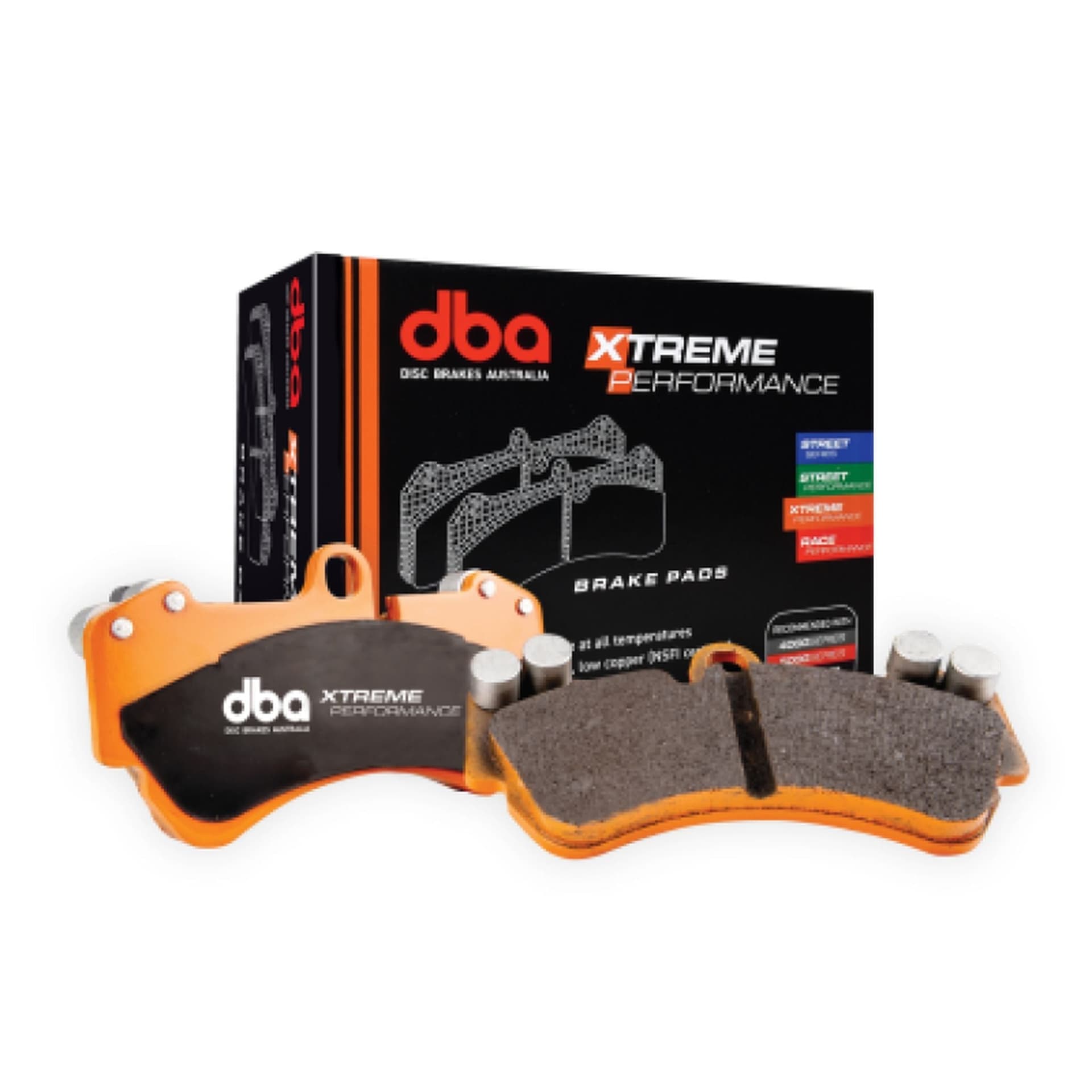
On a track day the brakes are the component doing work the road never asks of them, and they fail in two distinct ways. Fluid boils. Water absorbed into old fluid turns to vapour under heat, vapour compresses where liquid does not, and the pedal goes to the floor. This is the failure that frightens people, and it is entirely preventable with a complete flush of quality high-temperature DOT 4 before the event. The word complete matters. Topping up the reservoir leaves the old wet fluid down at the calipers where the heat actually is. And mixing fluid types without a full flush has produced exactly the spongy pedal you were trying to avoid for VB owners who tried it. Pads glaze. Stock pads are formulated for street temperature ranges and they are widely reported to last roughly one track day on this platform. They will get you through a novice event and they will be finished afterward. If you plan to return, buy track-capable pads. The practical approach for someone doing occasional events: fit street-performance or track pads before the day, bed them in properly on the road first, and bleed the brakes afterward rather than only before. Track heat cycles fluid hard, and post-event bleeding is standard practice. Braided lines are a worthwhile refinement once you are attending regularly, giving a firmer, more consistent pedal. They are not first-day equipment.
Related Questions
Community FAQ
reliability
What is a normal oil temperature for a 2022+ WRX?
Roughly 200 to 230F in mixed driving is normal. Spirited driving and track sessions push 230 to 260F, and sustained time above that is where an oil cooler starts to earn its place.
Read answer →
reliability
How often should I change the oil in a stock or tuned 2022+ WRX?
Subaru's guidance is around 6,000 miles or 6 months. Stock and gently driven, follow it. Tuned, tracked, or driven hard, halve it - roughly 3,000 miles is the sensible interval.
Read answer →
reliability
How warm should my WRX be before I get into boost?
Wait for oil temperature, not coolant. Coolant comes up fast and lies to you; oil takes considerably longer. Drive gently until oil is around 180F, then use the car normally.
Read answer →
warranty
Will mods void my warranty?
Not automatically - that is not how it works. But a tune or any power modification makes a powertrain claim much harder, and the ECU records reflashes even after you return to stock.
Continue reading
Related Guides
suspension
WRX Brake Upgrade Guide
Fluid and pads solve almost every real braking complaint. A big brake kit solves almost none of them.
Read guide →
wheels
Best Tires for the 2022+ WRX
The cheapest way to make a VB genuinely faster, and the one upgrade that works on every road.
Read guide →
intake
WRX Intercooler Guide
The real question is not top-mount versus front-mount. It is whether you are keeping the stock turbo.
Read guide →