2022+ WRX Tune Requirement Guide
One rule decides it: does the part change what the MAF sensor sees, or the fuel the engine needs?
Verdict
A part needs a tune if it changes what the mass airflow sensor measures or what fuel the engine burns. Intakes, J-pipes and fuel system changes need one. Intercoolers, charge pipes, turbo inlets and everything behind the catalyst do not.
The rule
The FA24 works out how much fuel to inject from what its mass airflow sensor reports. That single fact generates the entire answer. A part requires a tune if it does either of these: **It changes what the MAF sensor measures.** Anything upstream of the sensor, or anything that alters the sensor's housing, changes the relationship between actual airflow and reported airflow. The ECU then fuels for a number that is wrong. **It changes the fuel the engine burns.** Ethanol needs roughly 30 percent more fuel volume than gasoline. The stock tune has no idea what is in the tank. A part does not require a tune if it does neither. That covers everything downstream of the MAF sensor that only moves or cools air, and everything behind the catalytic converter. There is one part that sits slightly outside this framing - the J-pipe - and it is covered below. Apply the rule to any part you are considering and you will get the right answer without asking a forum. Where does it sit relative to the MAF sensor, and does it change the fuel?
Parts that often require a specific calibration
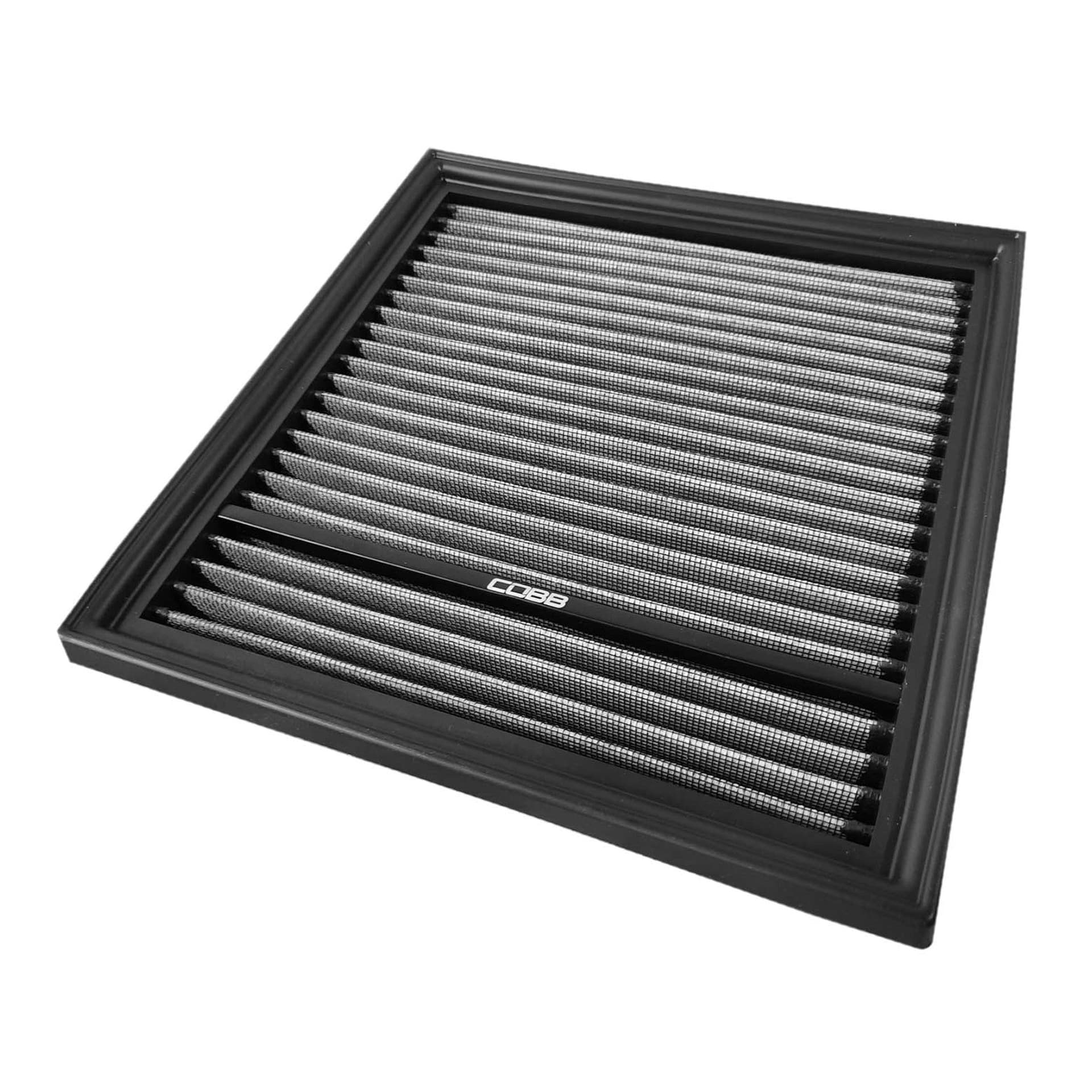
**Intakes.** Requirements vary by exact product. PERRIN states that its 2022-2026 WRX cold-air intake was tested without required recalibration, and COBB lists its factory-airbox intake tube as compatible with the stock tune and COBB OTS maps. Other intakes and packages require a specific calibration. Use the part number, manufacturer instructions, and tuner map notes—not a diameter-only shortcut. **J-pipes and downpipes.** These affect emissions-sensitive exhaust hardware and turbo behavior. Check current law and the exact manufacturer's/tuner's requirements before installation; do not run hardware against an incompatible map. **Flex-fuel systems, ethanol, and fuel-system changes.** Fuel composition and delivery changes need hardware and calibration designed for the exact fuel and combination. **Upgraded turbos.** A turbo change alters the airflow and boost system and calls for a calibration developed for that turbo and its supporting hardware. For every power modification, the controlling instruction is the most specific one: exact part, vehicle, transmission, fuel, other installed hardware, and calibration version.
Related Questions
Community FAQ
tuning
Do I need a tune for an intake system on the VB?
It depends on the exact intake and calibration. Some VB products are manufacturer-validated for the stock calibration, while others require or include a matching map. Follow the intake maker's instructions and confirm the full hardware, fuel, and tune combination.
Read answer →
tuning
Do I need a tune for a J-pipe on the 2022+ WRX?
Yes, always. A J-pipe changes exhaust backpressure and turbo behavior enough that the stock tune is no longer correct, and a catless one will set a check engine light regardless.
Read answer →
engine / intake / exhaust
Do I need a tune for an axle-back or cat-back exhaust on the 2022+ WRX?
No. Both sit behind the catalytic converter, so neither changes what the ECU measures. Fit one and drive - no tune, no check engine light, and almost no power either.
Read answer →
engine / intake / exhaust
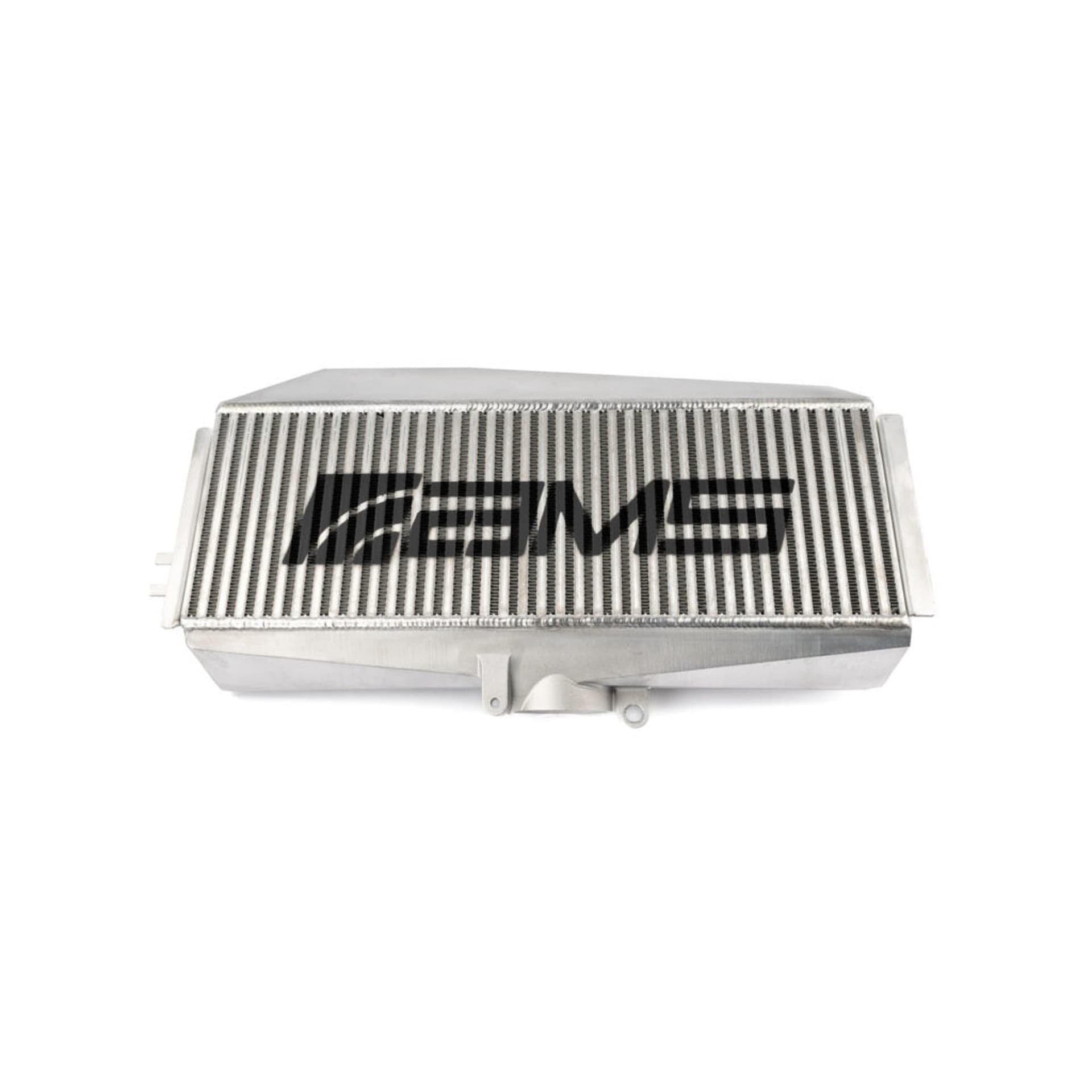
Do I need a tune for an upgraded intercooler on the WRX?
Continue reading
Related Guides
tuning
Best Mods Before a WRX Tune
What genuinely needs to be on the car before a tuner touches it - and what does not.
Read guide →
beginner
First Power Mods for the 2022+ WRX
The dependency chain behind a VB build, and what doing it out of order actually costs you.
Read guide →
tuning
WRX VB Tuning Guide
How to choose the right tuning path before you buy parts, flash a map, or chase power.
Read guide →