WRX AOS vs Catch Can Guide
Direct injection means nothing washes your intake valves. That is the actual problem being solved.
Verdict
A baffled catch can is reasonable insurance if you plan to keep the car past 100,000 miles. A full AOS is overkill for a street-driven VB and better suited to cold climates and track cars.
The problem, precisely
The FA24 is direct injected, which means fuel is sprayed straight into the cylinder rather than across the back of the intake valves. On a port injected engine, fuel constantly washes over those valves and keeps them clean as a side effect of how the engine works. On a direct injected engine, nothing does. Meanwhile the PCV system routes crankcase blow-by - which carries oil vapour - back into the intake tract. That oil vapour lands on intake valves that never get washed, bakes on under heat, and accumulates as carbon deposits over tens of thousands of miles. Eventually that affects airflow and can affect how the engine runs. This is not a Subaru flaw. It is a characteristic of nearly every modern direct injected engine across every manufacturer, and it is why walnut blasting exists as a service. Two things make the VB less of a worst case than some. Subaru's PCV control on the FA24 is meaningfully better than the older EJ engines, and the platform is young enough that high-mileage evidence is still accumulating. But the mechanism is present, and no amount of good PCV design removes it entirely when there is no port injection washing the valves.
Catch can versus AOS
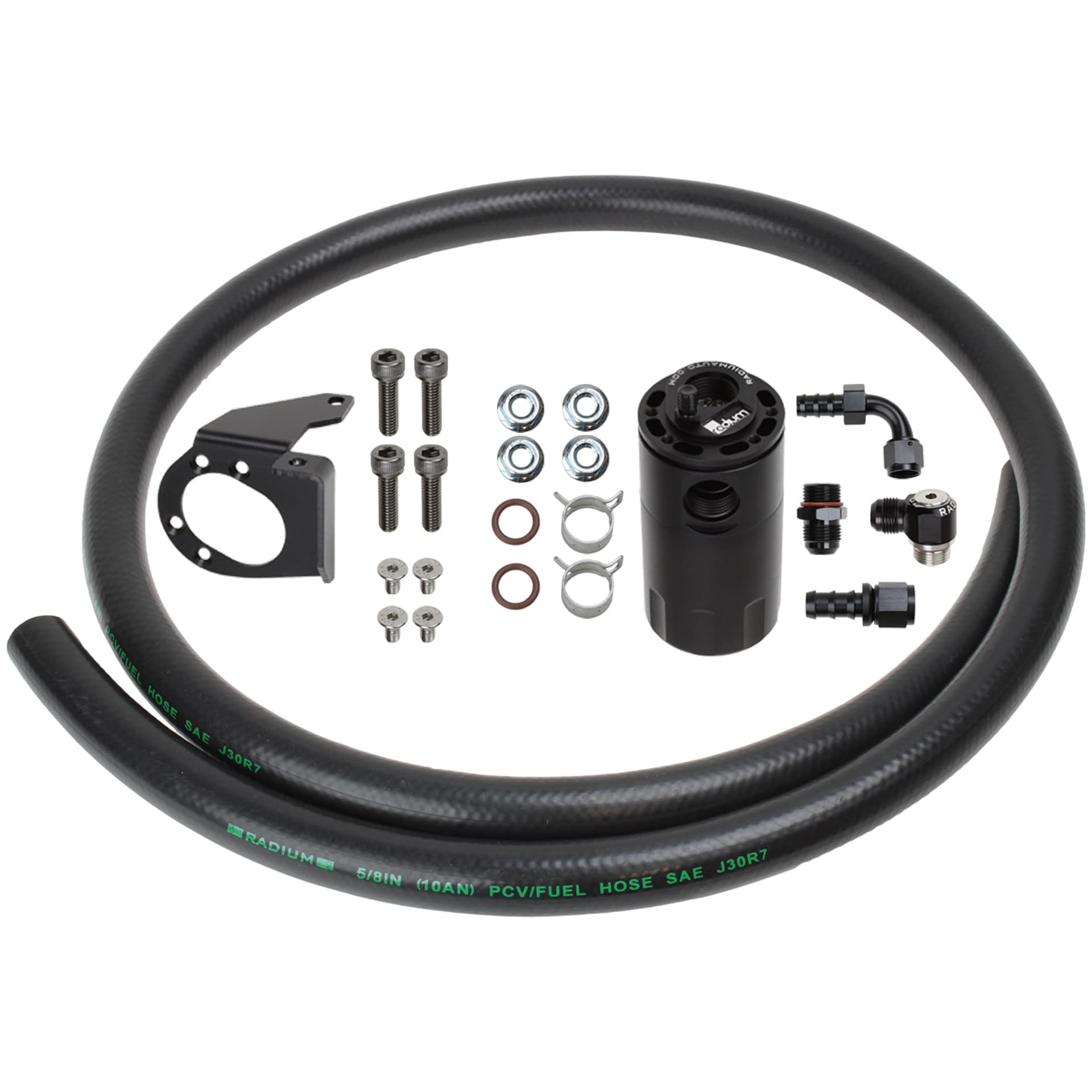
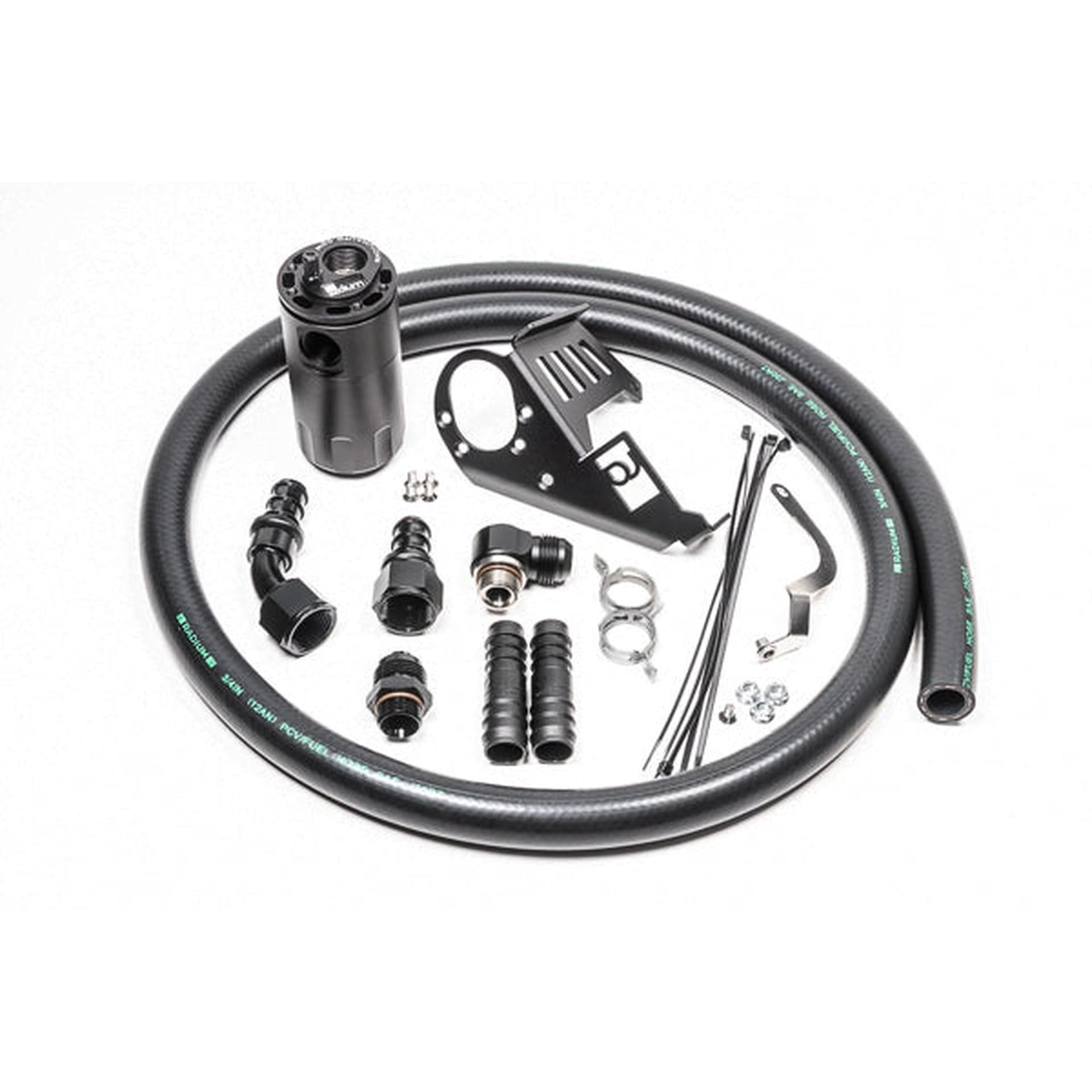
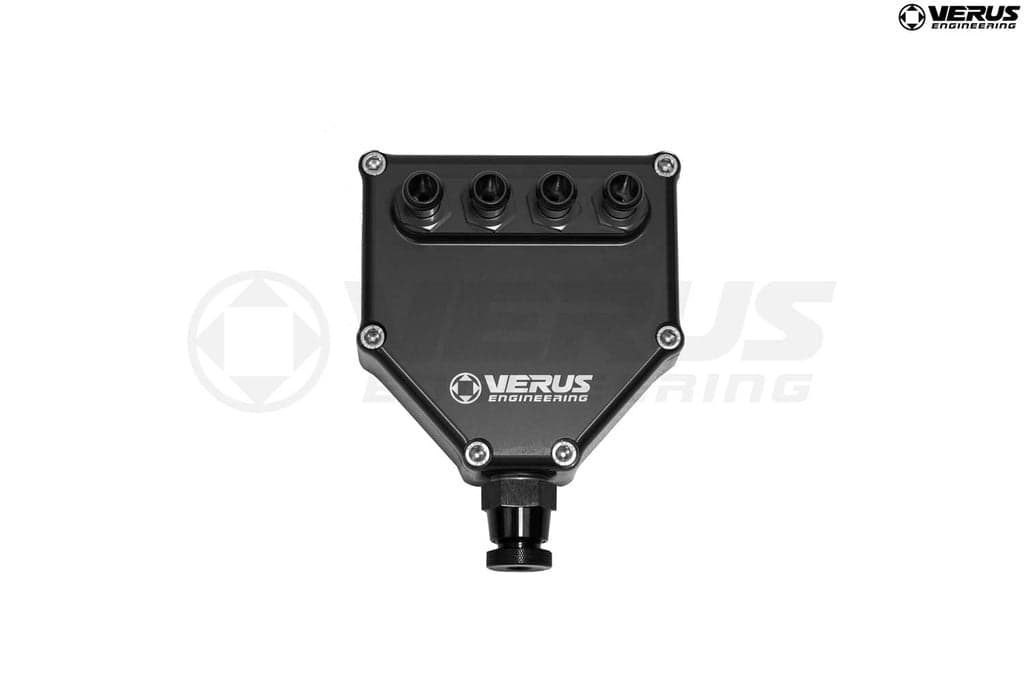
Both intercept blow-by before it reaches the intake. They differ in what they do with what they catch. **A catch can** traps the separated oil in a small reservoir that you empty periodically. Simple, relatively inexpensive at roughly $209 to $272 for a quality baffled kit, and it directly addresses the problem. The tradeoff is that it is maintenance. It needs emptying, more often in cold weather when condensation collects alongside the oil. An ignored catch can that overfills is worse than no catch can at all, because it can push its contents somewhere you do not want them. **An air oil separator** does the separation but drains the collected oil back into the sump rather than trapping it, and is typically heated to prevent condensation freezing. Roughly $353 to $390 on this platform, with a more involved installation. The heating matters in genuinely cold climates, where a catch can's contents can freeze. The drain-back means no emptying routine. **The honest comparison for a street car:** the catch can is cheaper, simpler, and does the job. The AOS solves problems a street-driven VB in a temperate climate does not have, at a higher price and with more installation work. Its case strengthens considerably for cold climates and for track cars generating serious blow-by.
Related Questions
Community FAQ
reliability
Is an AOS or catch can worth installing on a stock 2022+ WRX?
A catch can is reasonable long-term insurance on the direct-injected FA24, especially if you plan to keep the car past 100,000 miles. A full AOS is overkill for a stock street car.
Read answer →
reliability
Does a tuned or modified WRX need more frequent maintenance?
Yes, but less dramatically than people fear. Shorter oil intervals, plugs treated as a wear item, and actually monitoring the car. Nothing exotic, just more attentive.
Read answer →
reliability
How often should I change the oil in a stock or tuned 2022+ WRX?
Subaru's guidance is around 6,000 miles or 6 months. Stock and gently driven, follow it. Tuned, tracked, or driven hard, halve it - roughly 3,000 miles is the sensible interval.
Read answer →
cost / planning
What should I look for when buying a used 2022-2026 WRX?
Check for open recalls by VIN, get a pre-purchase inspection, and treat modifications as the main variable - a well-documented tuned car can be a better buy than an undocumented stock one.
Continue reading
Related Guides
reliability
WRX Reliability Guide
The FA24 is a solid engine. Most VB reliability problems are decisions, not defects.
Read guide →
reliability
2022+ WRX Maintenance Guide
The factory schedule, plus what changes once the car is tuned.
Read guide →
reliability
2022+ WRX Common Problems Guide
A short list, honestly assessed. The VB has fewer real problems than its reputation suggests.
Read guide →