Most Common WRX Mod Mistakes
Almost every regret on this platform comes from buying sound and expecting power, or fitting parts out of order.
Verdict
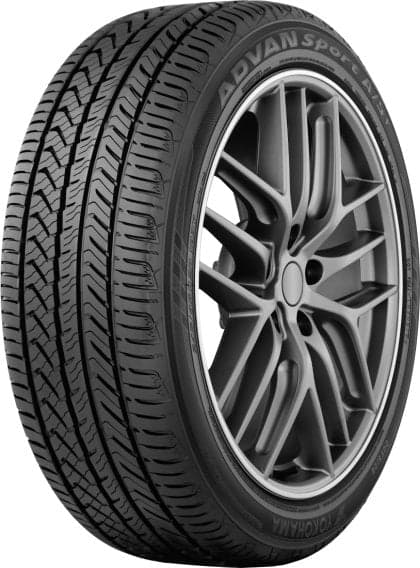
The single most common regret is a cat-back exhaust bought for power. The most expensive is fitting airflow parts before the tune. Buy tires before power, and the tune before any hardware.
1. Buying a cat-back for power
This is the most common regret on the platform by a wide margin, and it is entirely predictable. A cat-back replaces everything behind the catalytic converter. On a turbocharged engine the turbine is already the dominant restriction, and the primary catalyst is the next one - both are upstream of anything a cat-back touches. Replacing the section behind them changes the sound substantially and the power almost not at all. Owners buy one expecting horsepower, feel nothing, and conclude either that the exhaust is defective or that modifying the car is pointless. Neither is true. They bought a sound modification. **What to do instead.** If you want the car to sound different, buy the exhaust knowingly and enjoy it - that is a completely legitimate purchase. If you want power from the exhaust, the J-pipe is the only part that delivers it, and it requires a tune. **The compounding version of this mistake** is buying an aggressive straight-through system without checking drone. The VB's cabin picks up highway resonance at exactly the rpm you cruise at, and it is the sort of thing you cannot un-hear. Find in-car footage at 70 to 80 mph before ordering, not cold-start revving clips filmed from outside.
2. Fitting airflow parts before the tune
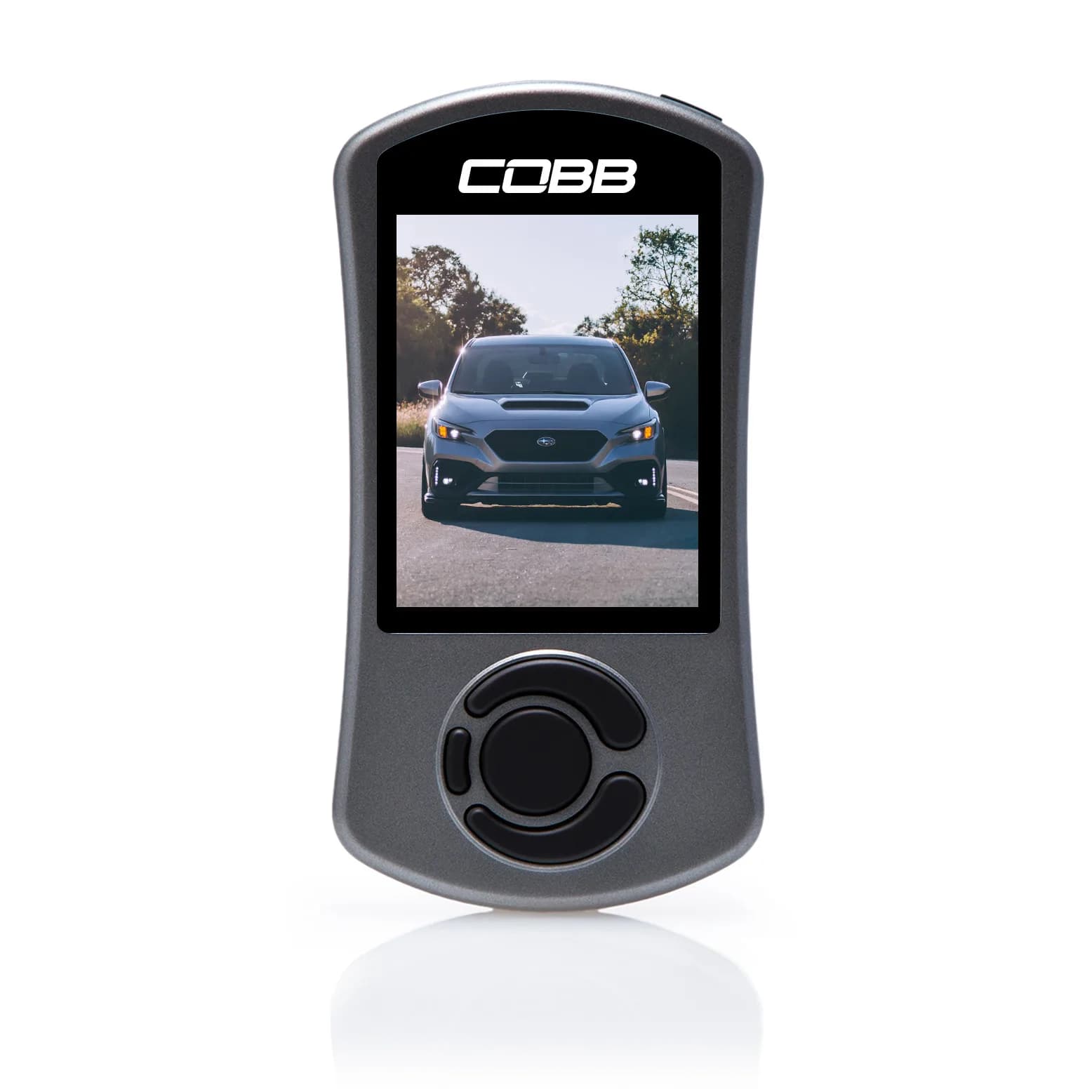
The most expensive mistake, and occasionally the most damaging. The FA24 calculates fuel from what its mass airflow sensor reports. An intake with a larger-than-stock MAF housing under-reports airflow, and testing on the VB has shown air/fuel ratios leaning toward 12:1 at the top of the rev range on the stock map. Lean under boost is the condition that damages engines. Owners fit the intake, plan to tune later, and drive for months in between. That is not a gradual build - it is running the engine outside its fueling model until later arrives. **What to do instead.** If a part is on the car, the matching tune goes on the same day. And if you are fitting several tune-required parts, do them in one window and tune once. A custom tune runs $400 to $650 per session, so fitting an intake in March and a J-pipe in July means paying twice for work that could have been one appointment. **The related error** is buying an intake for a Stage 1 car at all. Stage 1 maps are written for stock airflow, so adding an intake makes the map less accurate rather than more.
Related Questions
Community FAQ
engine / intake / exhaust
Do I need a tune for an axle-back or cat-back exhaust on the 2022+ WRX?
No. Both sit behind the catalytic converter, so neither changes what the ECU measures. Fit one and drive - no tune, no check engine light, and almost no power either.
Read answer →
tuning
Do I need a tune for an intake system on the VB?
It depends on the exact intake and calibration. Some VB products are manufacturer-validated for the stock calibration, while others require or include a matching map. Follow the intake maker's instructions and confirm the full hardware, fuel, and tune combination.
Read answer →
beginner mods
What are the best first mods for a stock WRX VB?
Tires, shifter bushings and a rear sway bar. Under a thousand dollars including tires, no tune required, and they improve things you experience on every single drive.
Read answer →
engine / intake / exhaust
Continue reading
Related Guides
beginner
Cheapest Ways to Make Power on the 2022+ WRX
Ranked by dollars per wheel horsepower, not by what looks good in the mod list.
Read guide →
beginner
First Power Mods for the 2022+ WRX
The dependency chain behind a VB build, and what doing it out of order actually costs you.
Read guide →
tuning
2022+ WRX Tune Requirement Guide
One rule decides it: does the part change what the MAF sensor sees, or the fuel the engine needs?
Read guide →